Ancient & Spiritual Symbols and Their Meanings
Our library explores symbols from historical cultures, spiritual traditions, sacred geometry, healing practices and esoteric systems — with clear distinctions between historically documented meanings and modern spiritual interpretations.
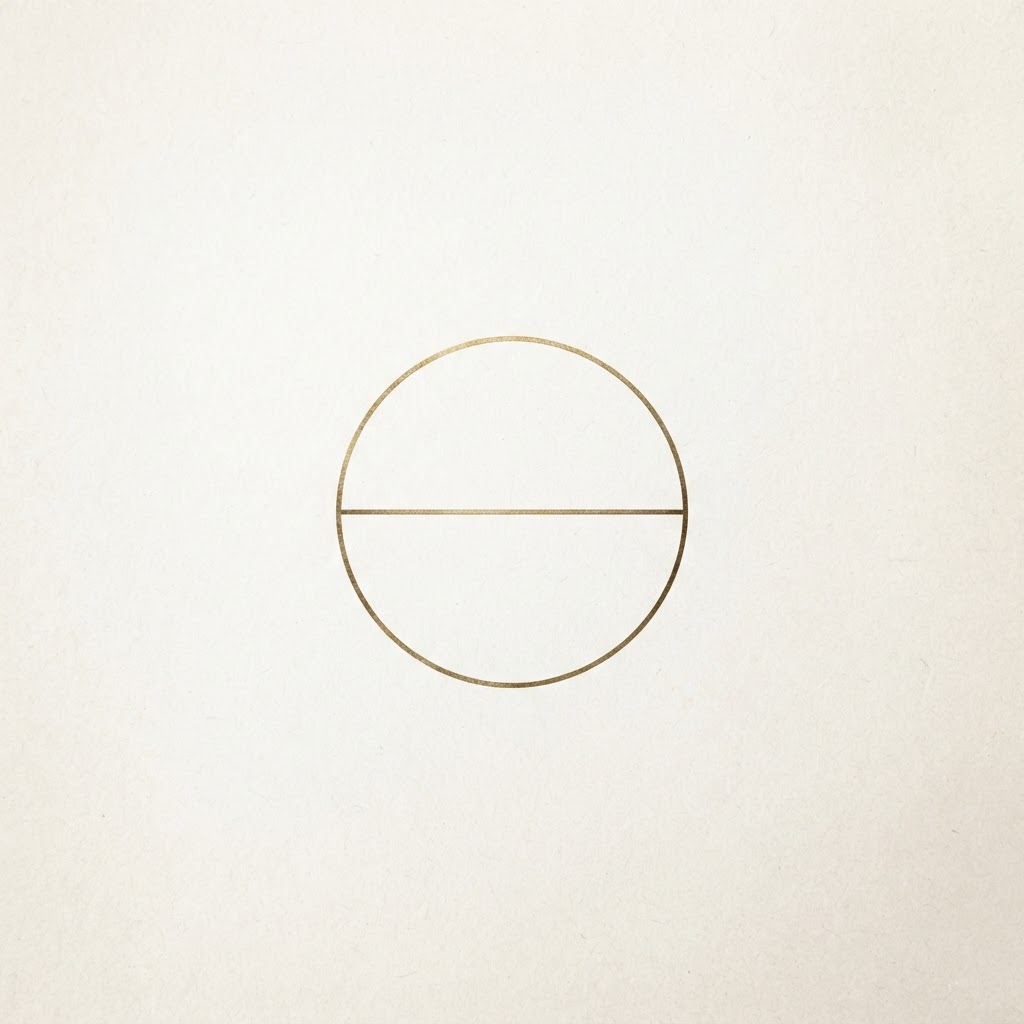 Root
Alchemical Salt
European Hermeticism
A circle bisected horizontally by a single line, representing the grounded, physical body and the principle of crystallization.
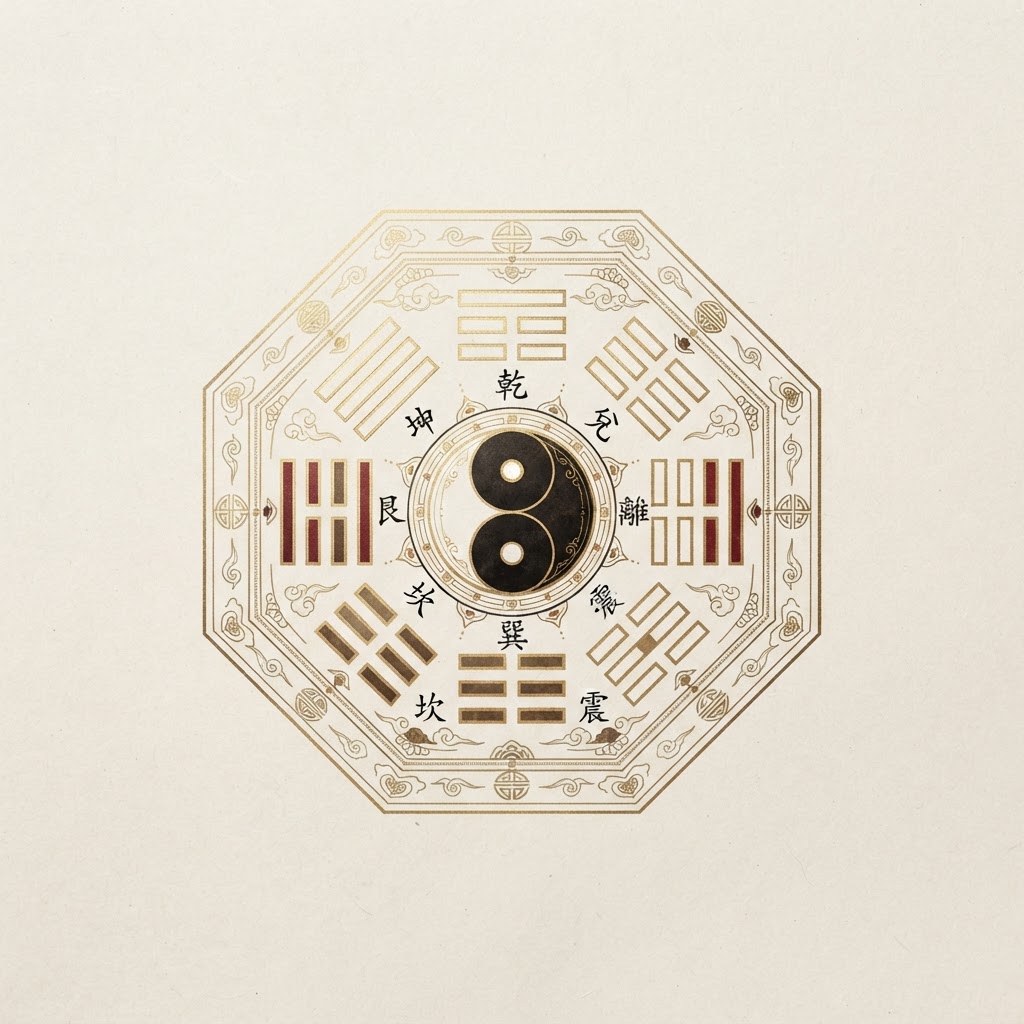 Third Eye
Bagua
Taoist/Chinese
An octagonal cosmological arrangement of eight trigrams representing the fundamental principles of reality and cyclic change.
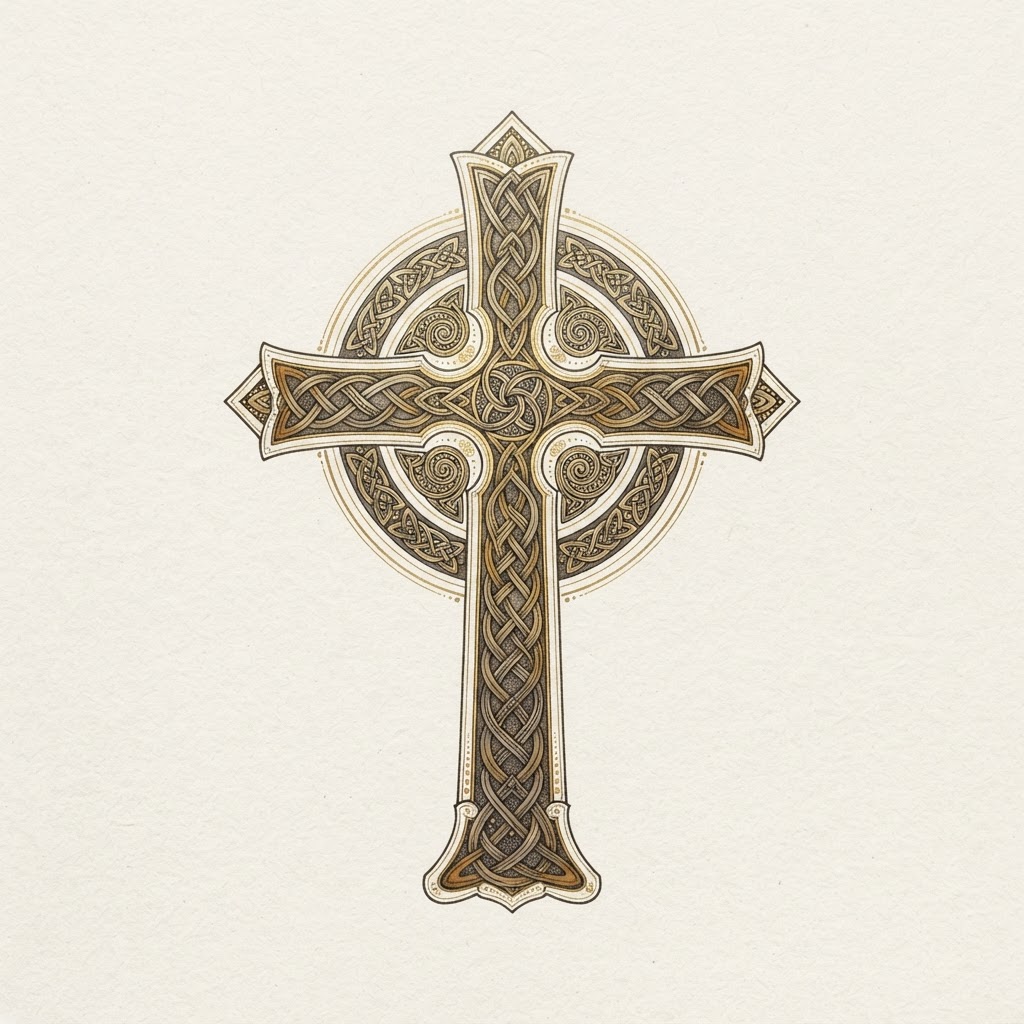 Root
Celtic Cross
Celtic
A traditional Latin cross surrounded by a nimbus or circle at the intersection, uniting celestial and earthly dimensions.
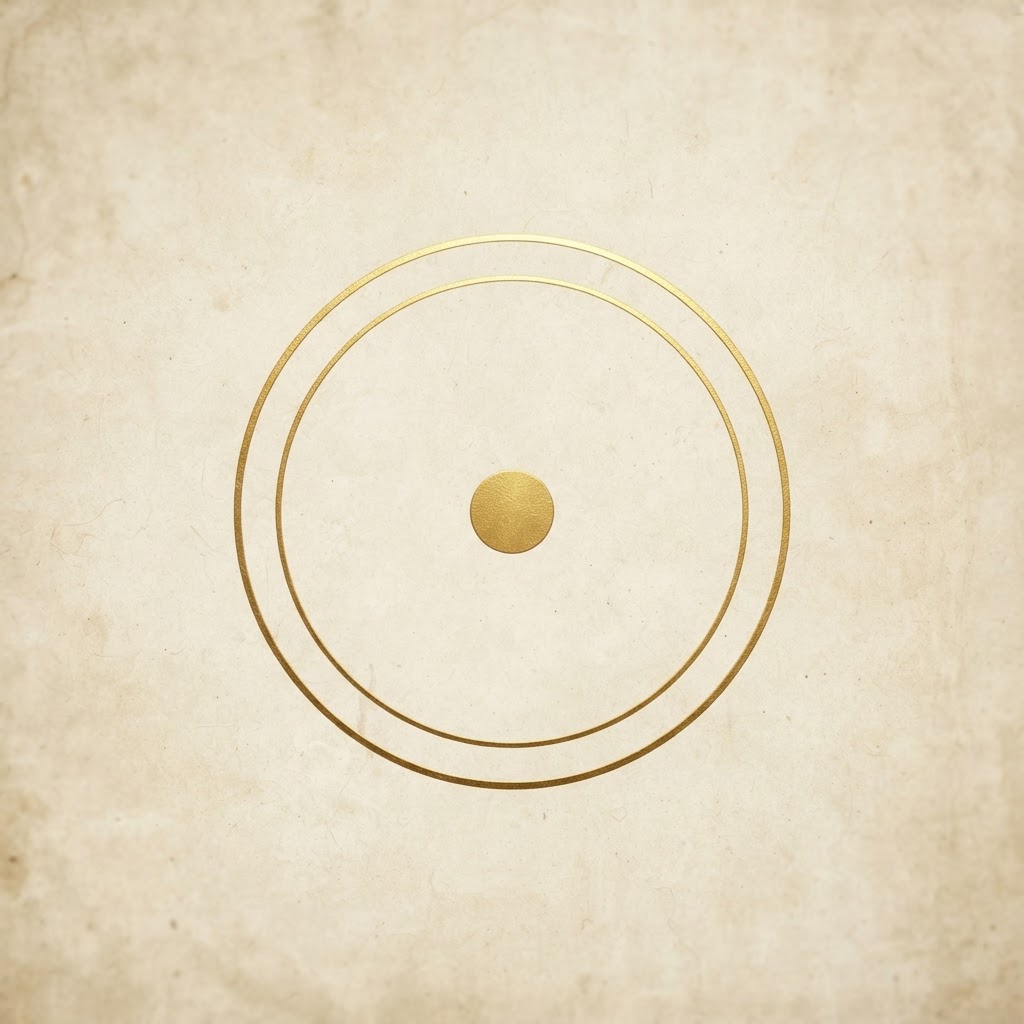 Solar Plexus
Circumpunct (Point within a Circle)
Ancient Egyptian / Greco-Roman / Hermetic
A single dot enclosed within a perfect circle, representing the absolute source, the Sun, and the infinite cosmos emerging from unity.
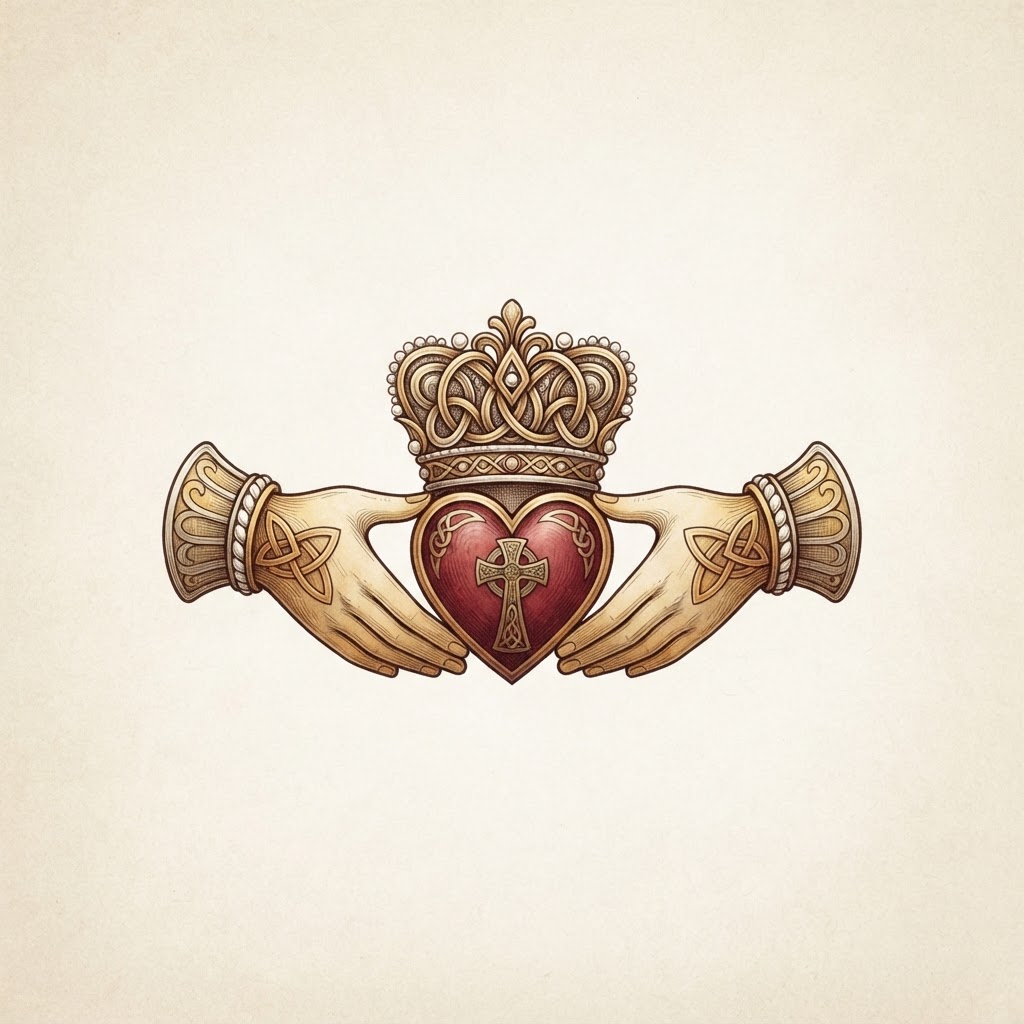 Heart
Claddagh
Celtic
A distinctive Irish design featuring two hands clasping a crowned heart, embodying love, friendship, and loyalty.
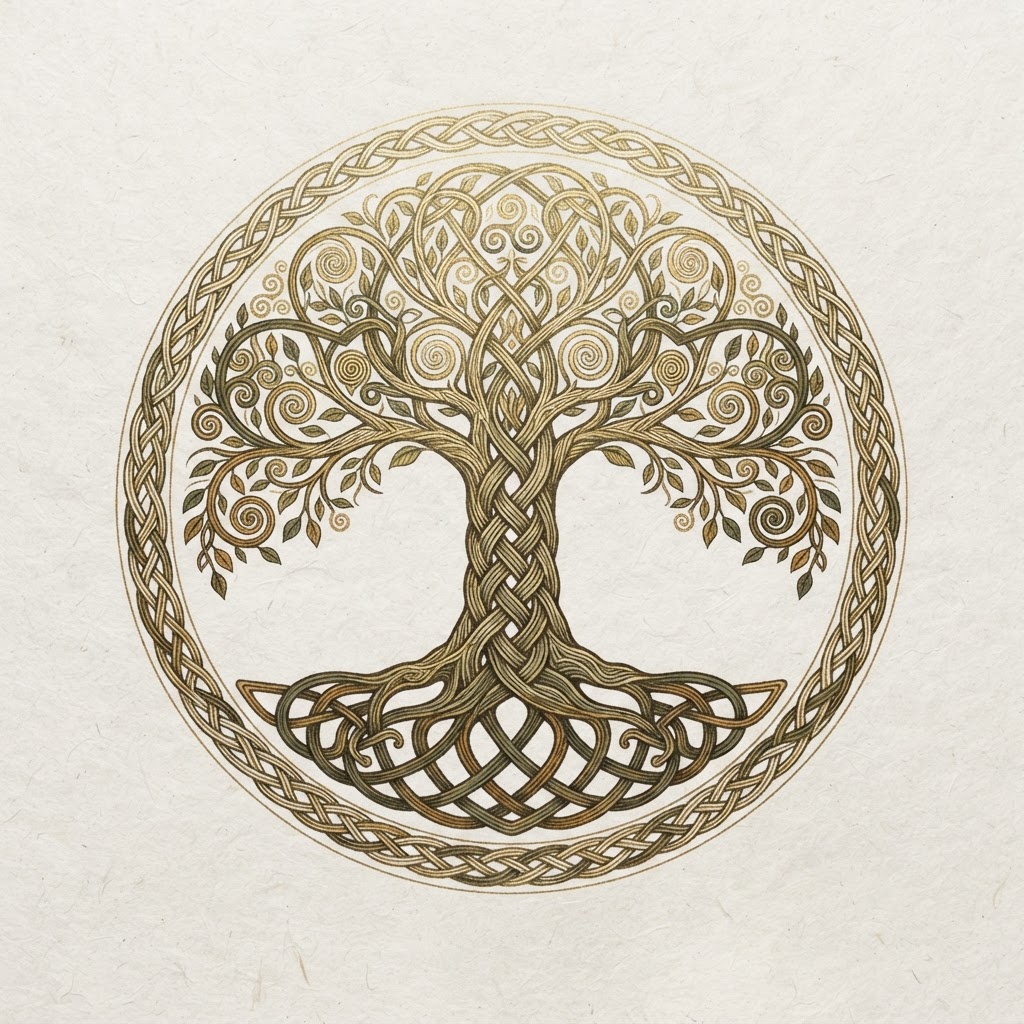 Root
Crann Bethadh
Celtic
The Celtic Tree of Life, whose branches reach into the sky while roots anchor into the underworld, uniting all realms.
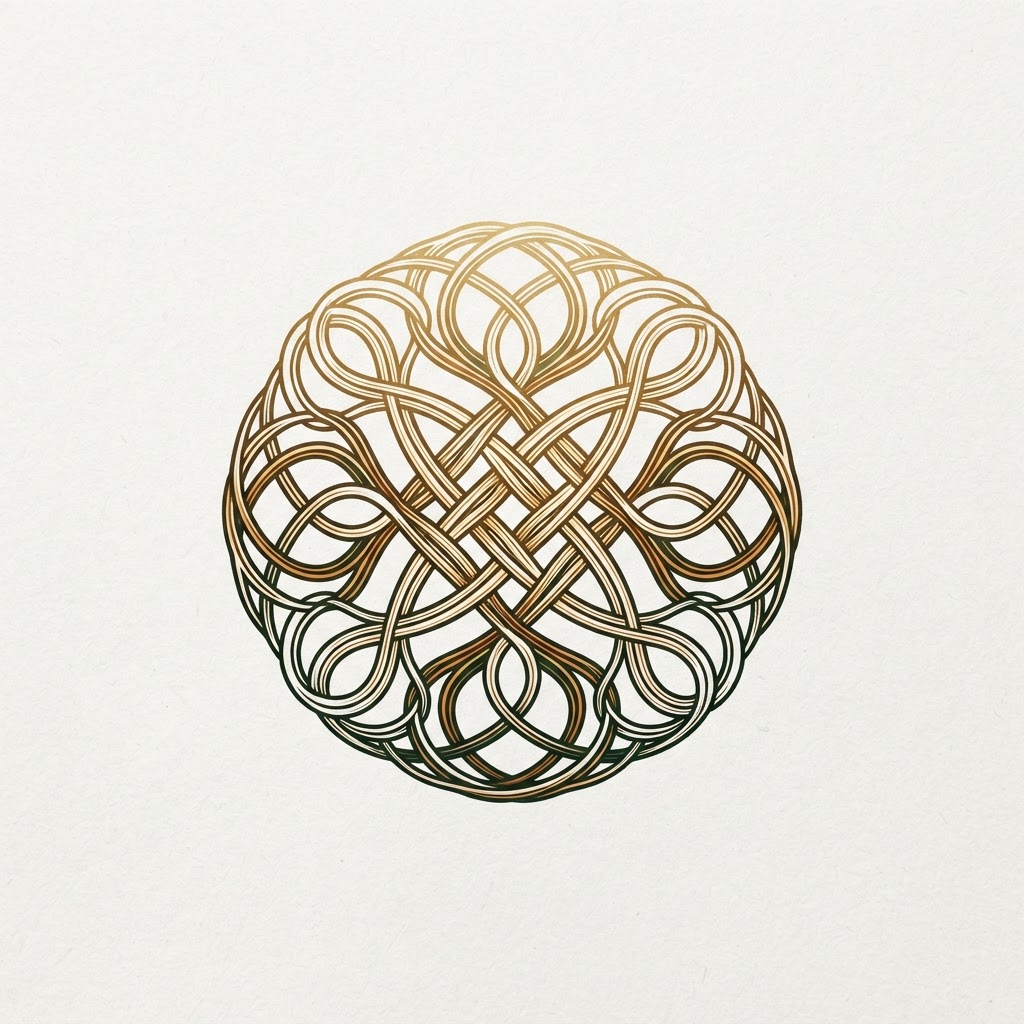 Root
Dara Knot
Celtic
A modern Celtic knot inspired by the complex root system of the sacred oak tree, symbolizing profound inner strength.
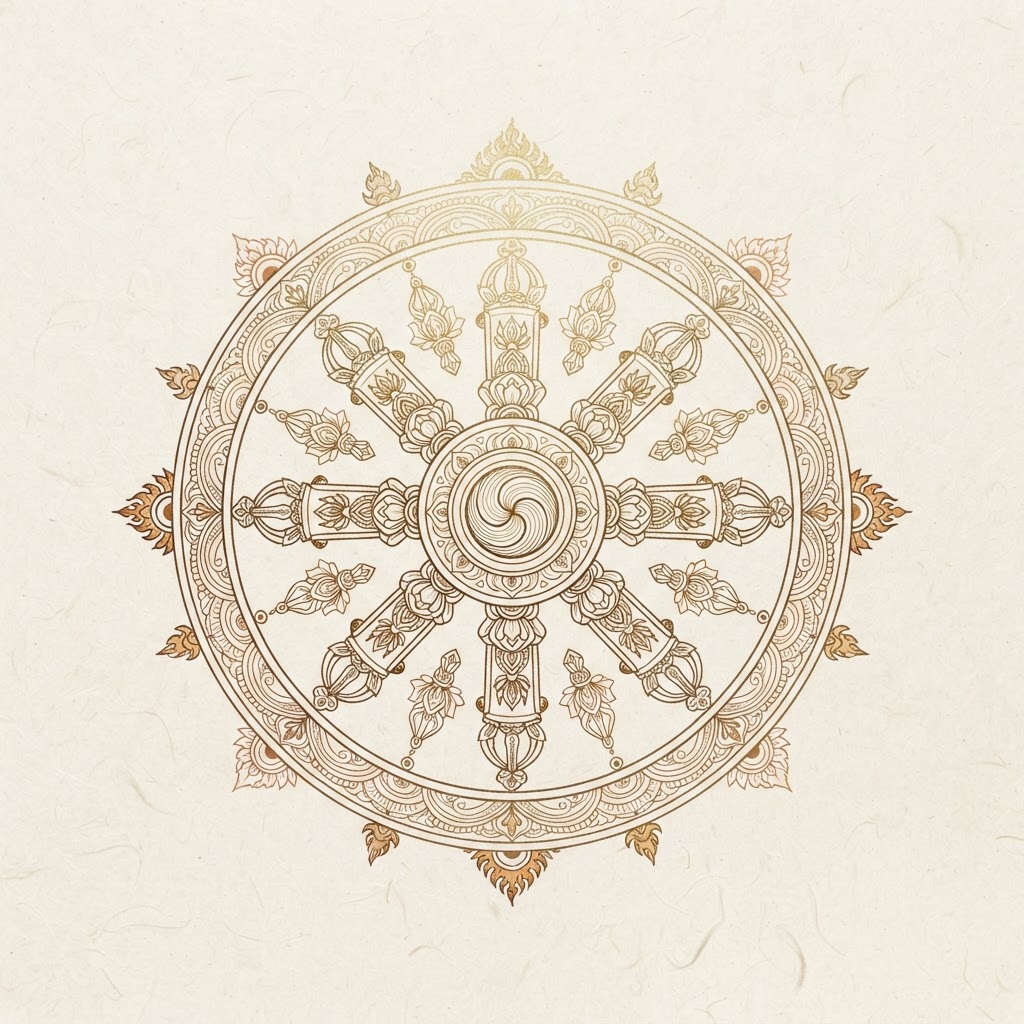 Crown
Dharmachakra
Buddhist
One of the oldest and most revered Buddhist symbols, representing the teachings of Siddhartha Gautama and the Noble Eightfold Path.
 Heart
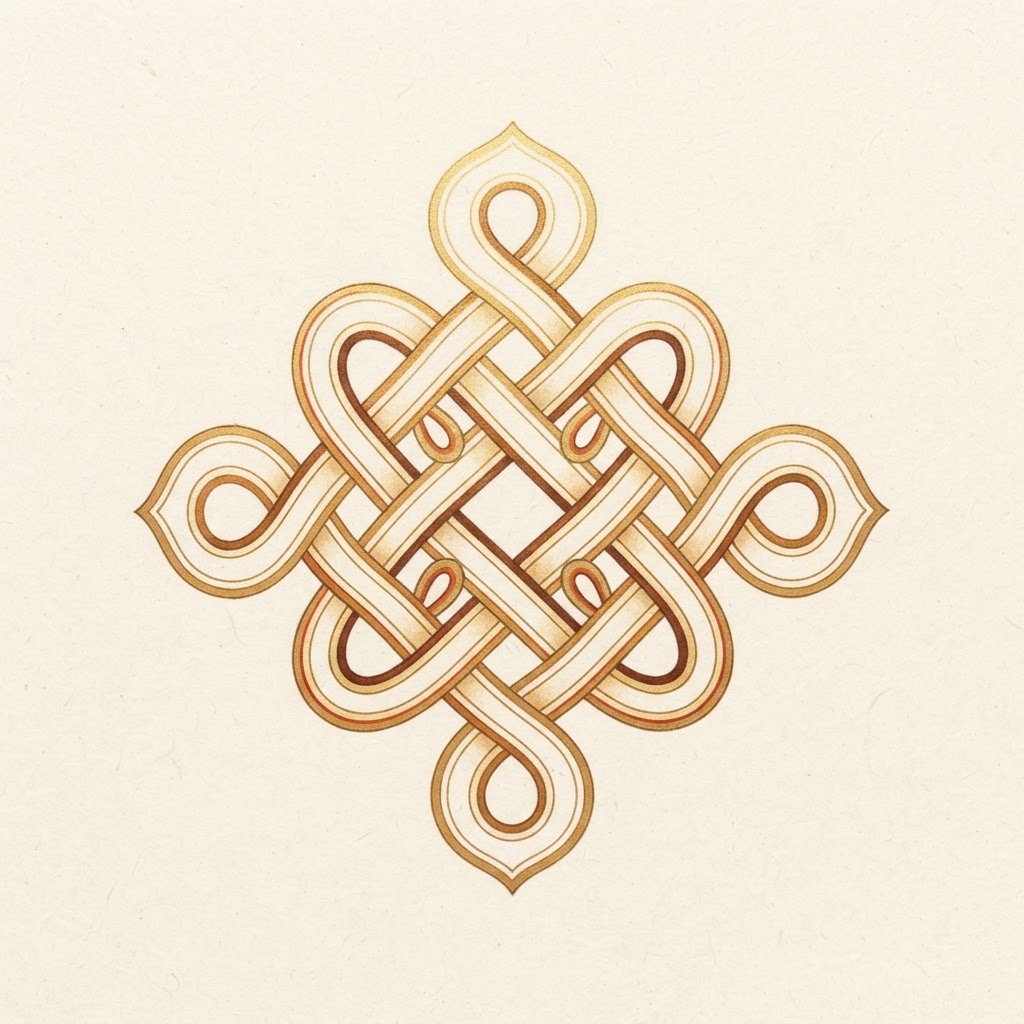
Endless Knot
Buddhist
An intertwined geometric knot without beginning or end, representing the interconnected nature of all phenomena and ultimate wisdom.
 All
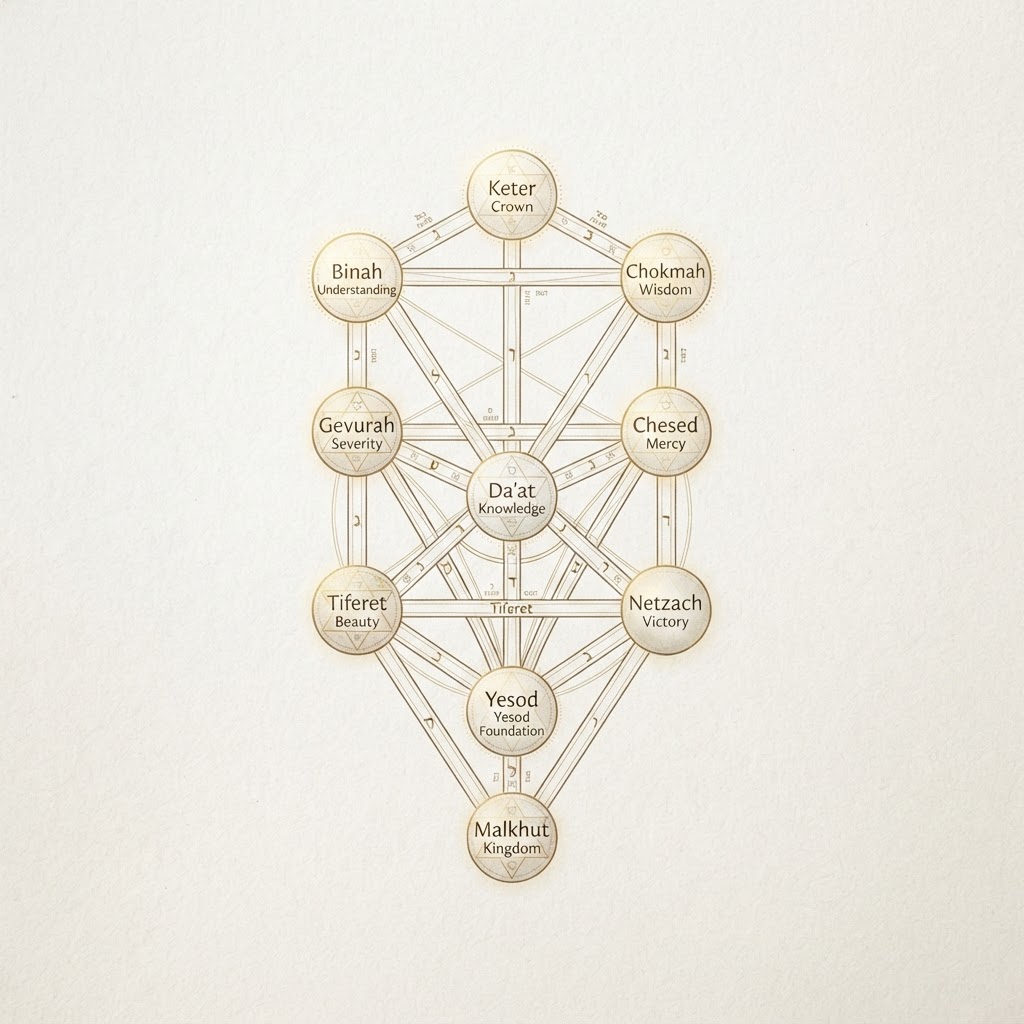
Kabbalistic Tree of Life
Jewish (Kabbalah) and Western Hermeticism
A sacred glyph consisting of ten divine nodes (Sephiroth) connected by twenty-two paths, mapping creation and the human psyche.
 Sacral
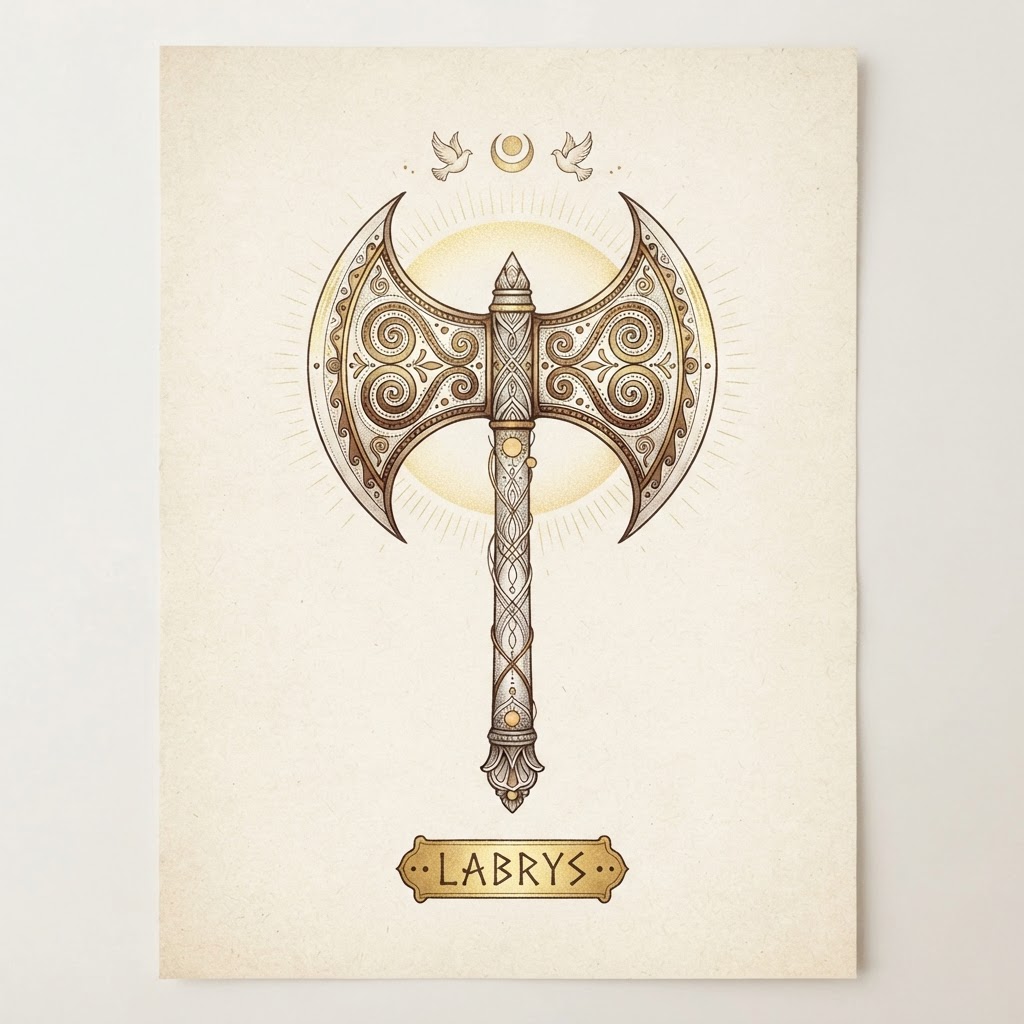
Labrys
Minoan, Greek, and Roman
A double-bladed axe associated with Minoan matriarchal religion and later Greek deities, symbolizing sovereignty and dual transformation.
 Solar Plexus
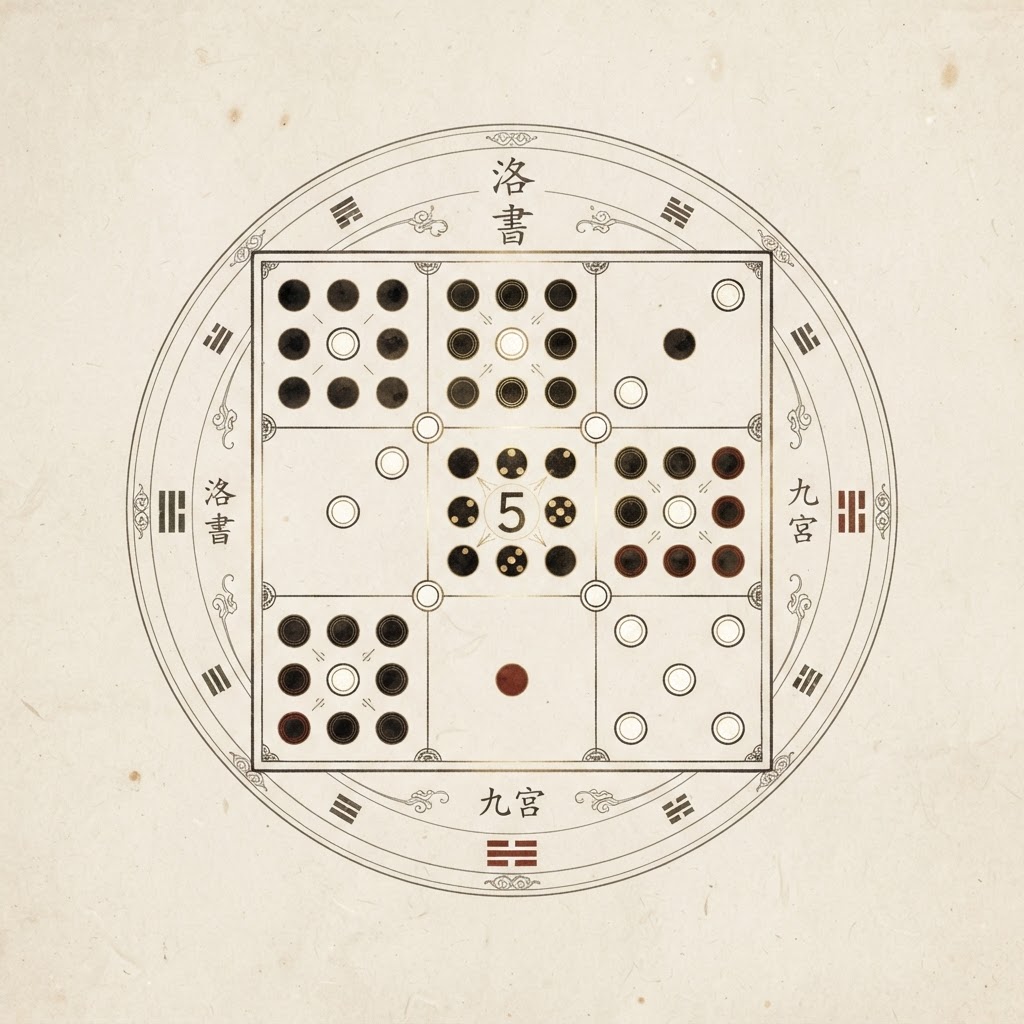
Luoshu
Taoist/Chinese
An ancient 3x3 mathematical magic square forming the spatial and temporal foundation of advanced Taoist divination and Feng Shui.
 Solar Plexus
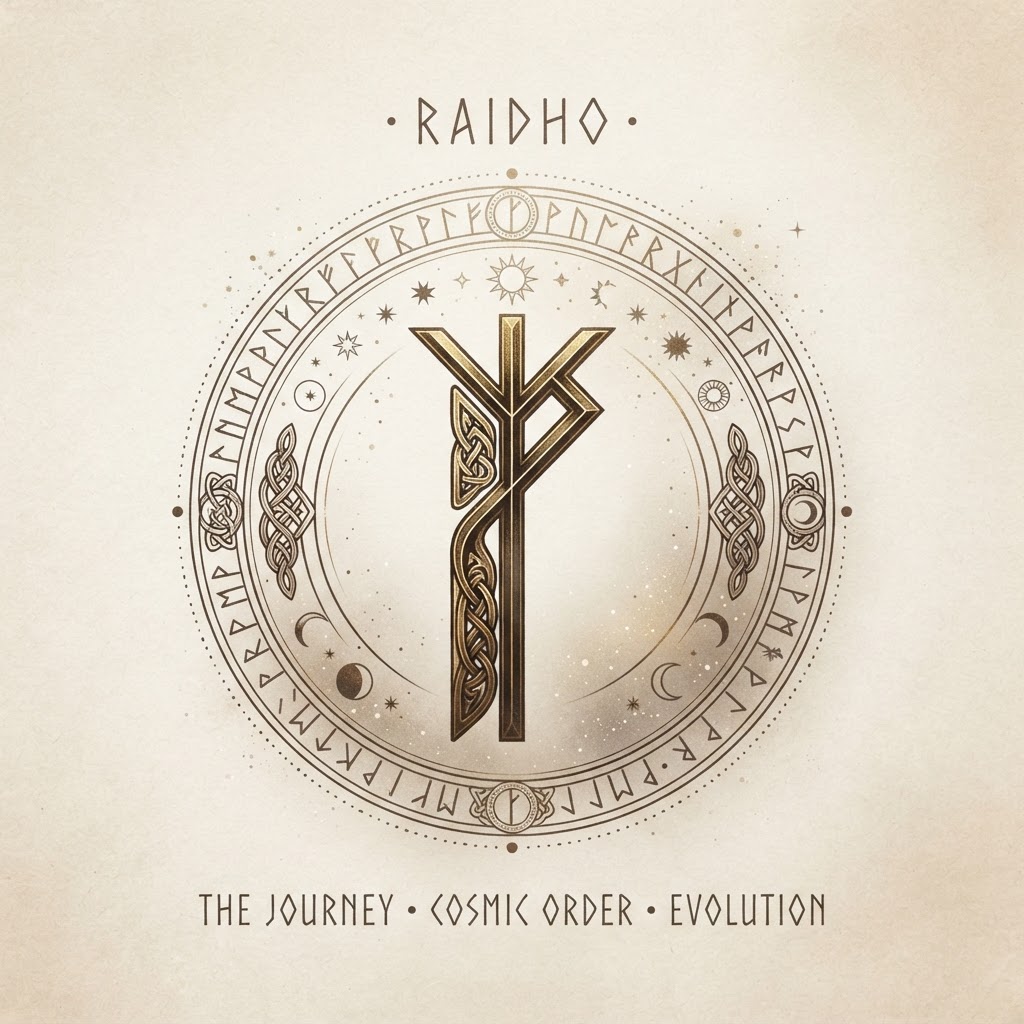
Raidho
Germanic
The rune of the journey, cosmic order, right action, and personal evolution along life's path.
 Heart
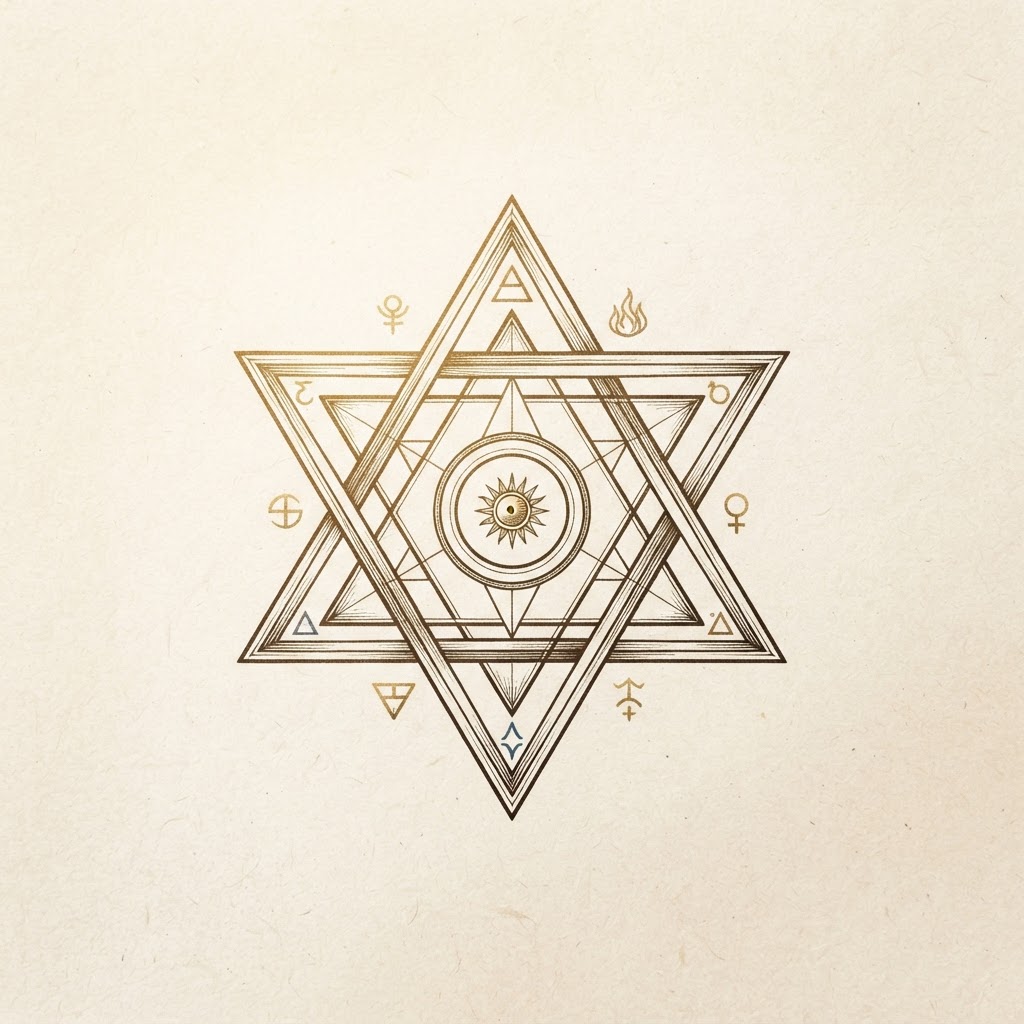
Seal of Solomon
Hellenistic / Islamic / Medieval Jewish & European
Two interlocking equilateral triangles symbolizing the union of opposites, the four elements, and cosmic harmony.
 Heart
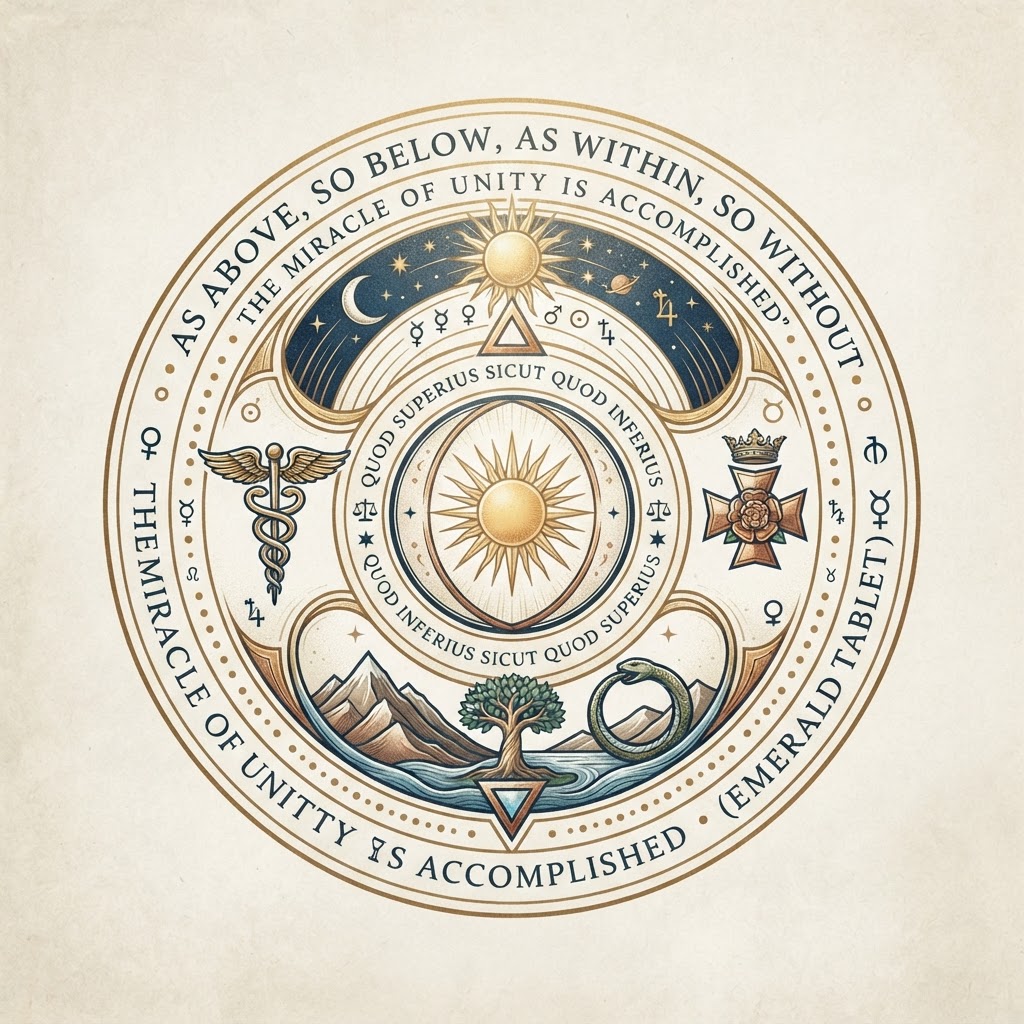
Seal of the Emerald Tablet
Hellenistic / European Hermeticism
A composite symbolic seal encapsulating the core Hermetic axiom: As above, so below, as within, so without.
 Heart
Shatkona
Hindu / Tantric
An ancient geometric emblem composed of two interlocking triangles representing the divine union of masculine and feminine principles.
 Crown
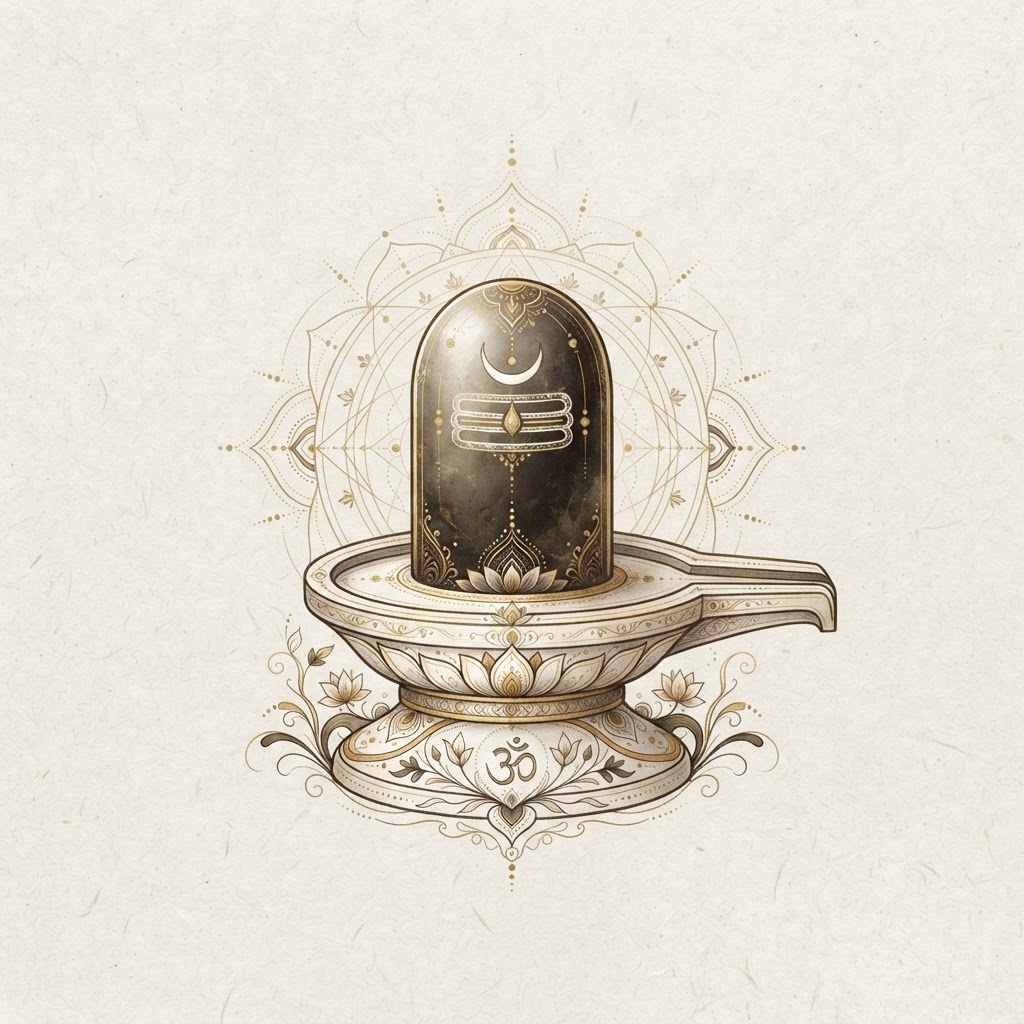
Shiva Lingam
Hindu / Shaiva
An elliptical, aniconic stone representation of formless, primordial consciousness and the infinite cosmic source.
 Third Eye
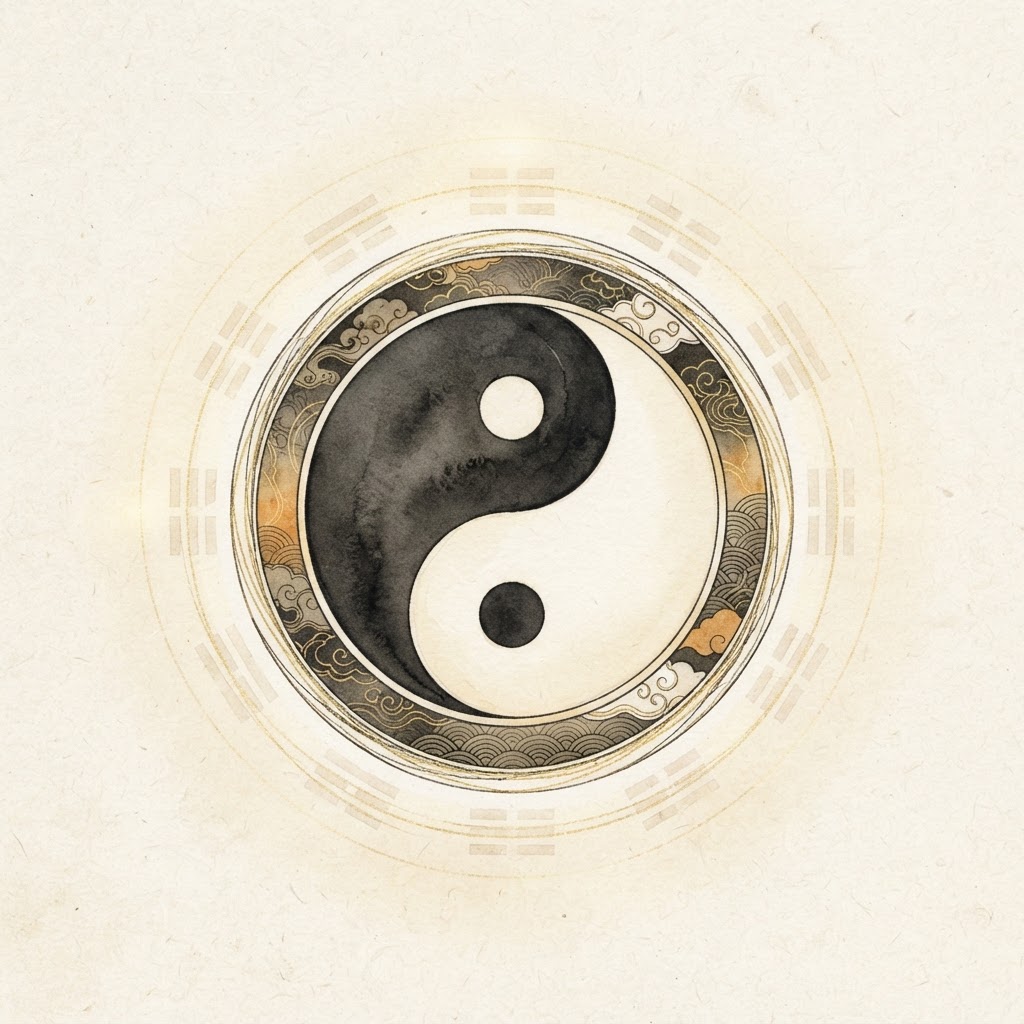
Taijitu (Yin Yang)
Taoist/Chinese
The quintessential Taoist emblem representing the dynamic balance, interdependence, and cyclical nature of opposing forces in the cosmos.
 Solar Plexus
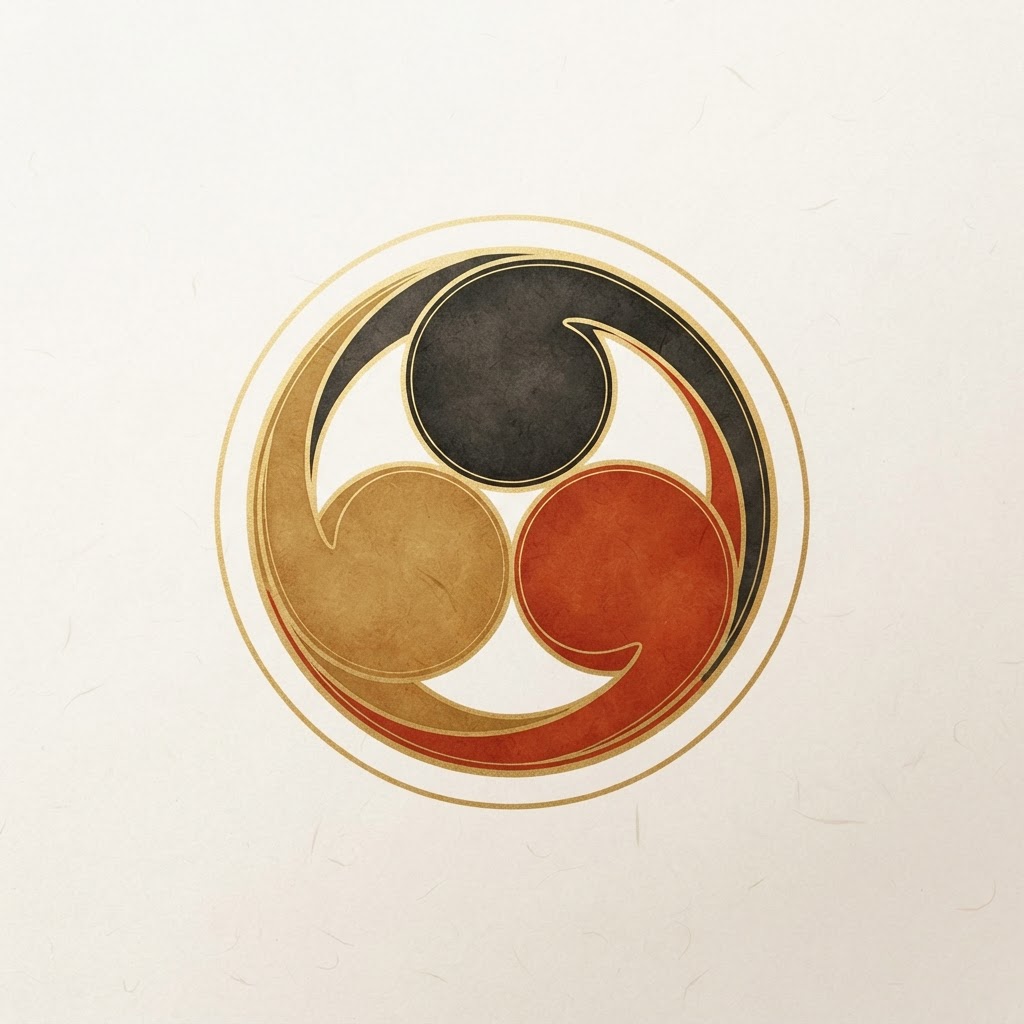
Tomoe
Japanese
A swirling comma-like Japanese heraldic and sacred symbol representing the movement of cosmic forces, often appearing in sets of two or three.
 Heart
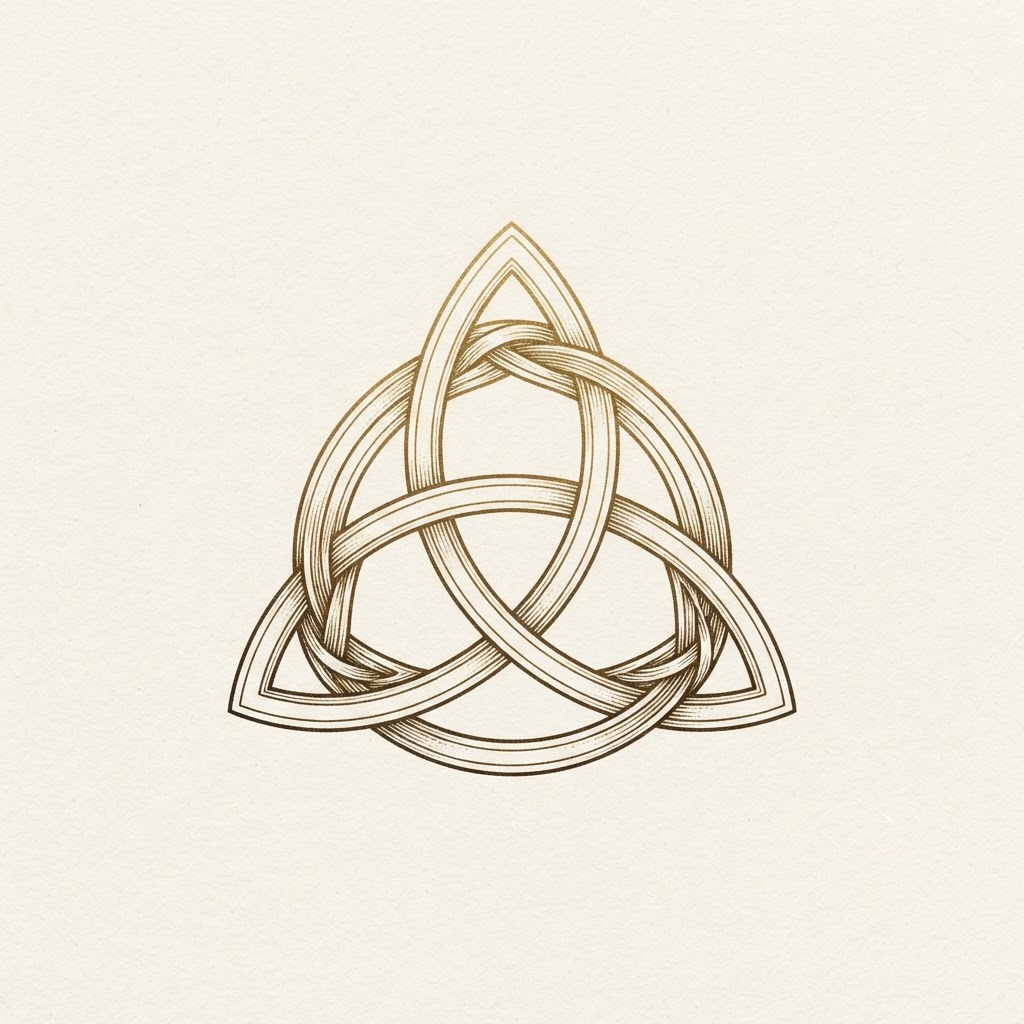
Triquetra
Celtic
A triangular knot composed of three interlaced arcs, universally recognized as a Celtic emblem of eternity and triune unity.
 Solar Plexus
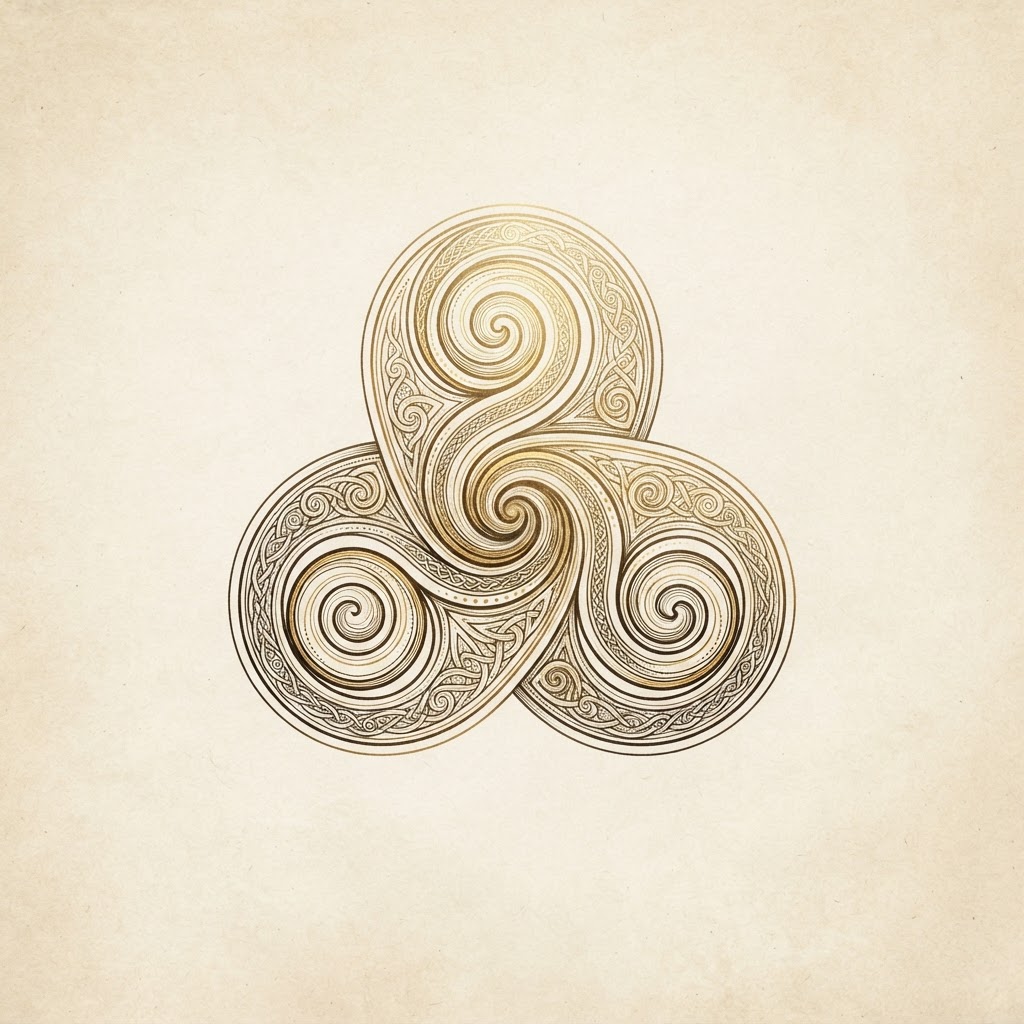
Triskele
Celtic
An ancient threefold rotational motif representing motion, cycles, and tripartite cosmology.
 Third Eye
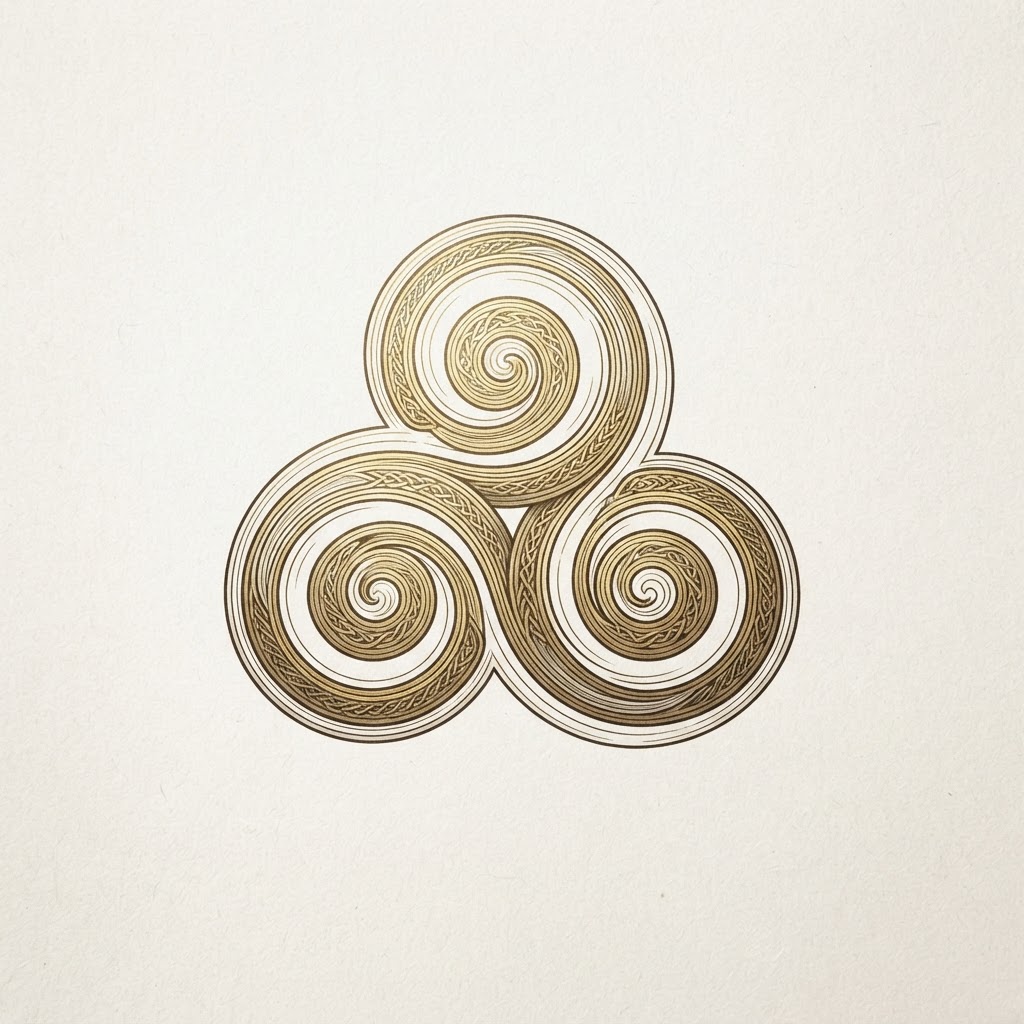
Triskelion
Celtic
An ancient motif composed of three interlocking spirals displaying rotational symmetry, representing cyclical motion and progress.
 Heart
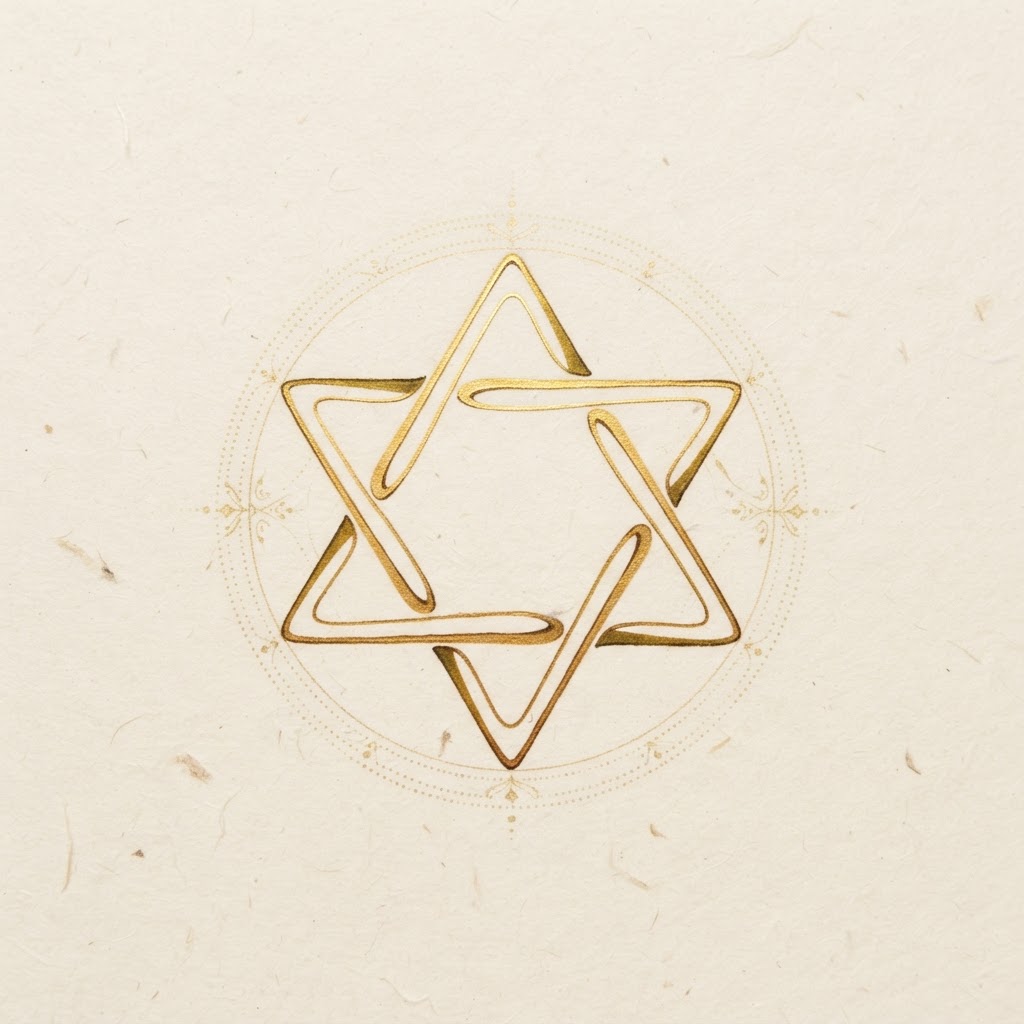
Unicursal Hexagram
Western Esotericism
A six-pointed geometric star drawn continuously in a single unbroken stroke, popularized in modern Western Hermeticism and Thelema.
 Sacral
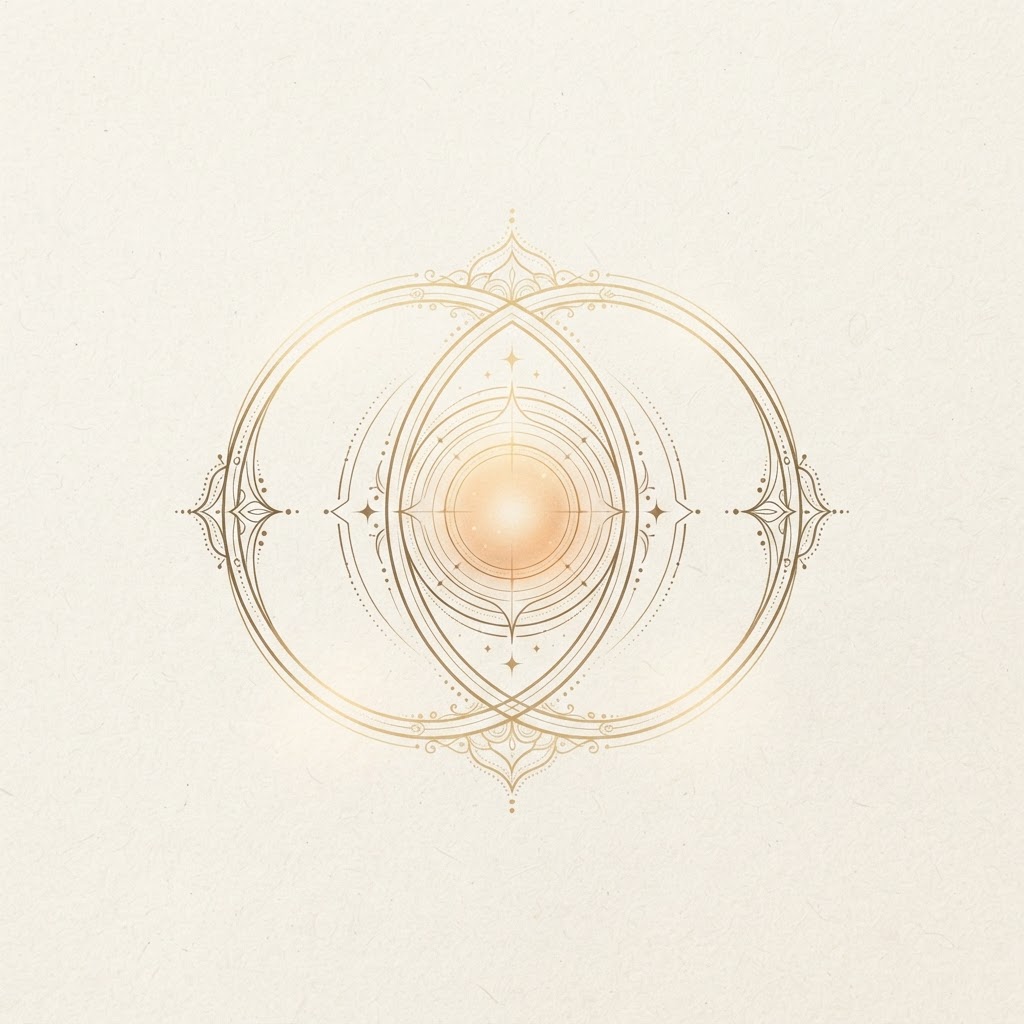
Vesica Piscis
Greco-Roman and Christian Esotericism
An almond-shaped geometric figure formed by the intersection of two identical discs whose centers touch each other's perimeters.