Plant MedicineMaqui

Maqui
Aristotelia chilensis
Family: Elaeocarpaceae
Also known as: Chilean wineberry, Maquiberry
At a glance
Best for: Antioxidant support, Eye health, Anti-inflammatory
Parts used: Berries, Leaves
Common forms: Fresh berries, Powder, Extract, Tea
Evidence level: Promising
What it is
Maqui is a purple berry from an evergreen shrub native to the temperate rainforests of Chile and Argentina. The berries have been used for centuries by indigenous Mapuche communities.
Traditional use
Mapuche healers used maqui berries for digestive complaints, fever, and wound healing. The leaves were prepared as tea for sore throats.
What modern research suggests (Promising)
Research shows maqui has exceptional antioxidant capacity (ORAC values). Studies suggest benefits for blood sugar regulation, inflammation markers, and eye dryness.
How people use it
Typically consumed as powder (1-2 tsp daily in smoothies), capsules (500mg-1g), or fresh berries when available. Some use leaf tea.
Safety + interactions
Generally considered safe. No major interactions documented. Pregnant/nursing women should consult healthcare providers due to limited safety data.
Quality notes
Look for freeze-dried powder to preserve anthocyanins. Store away from light.
FAQs
How does maqui compare to acai?
Maqui has higher ORAC values and different anthocyanin profiles, though both are nutritious berries.
Does it help with dry eyes?
Some studies show maqui extract may support tear production, but more research is needed.
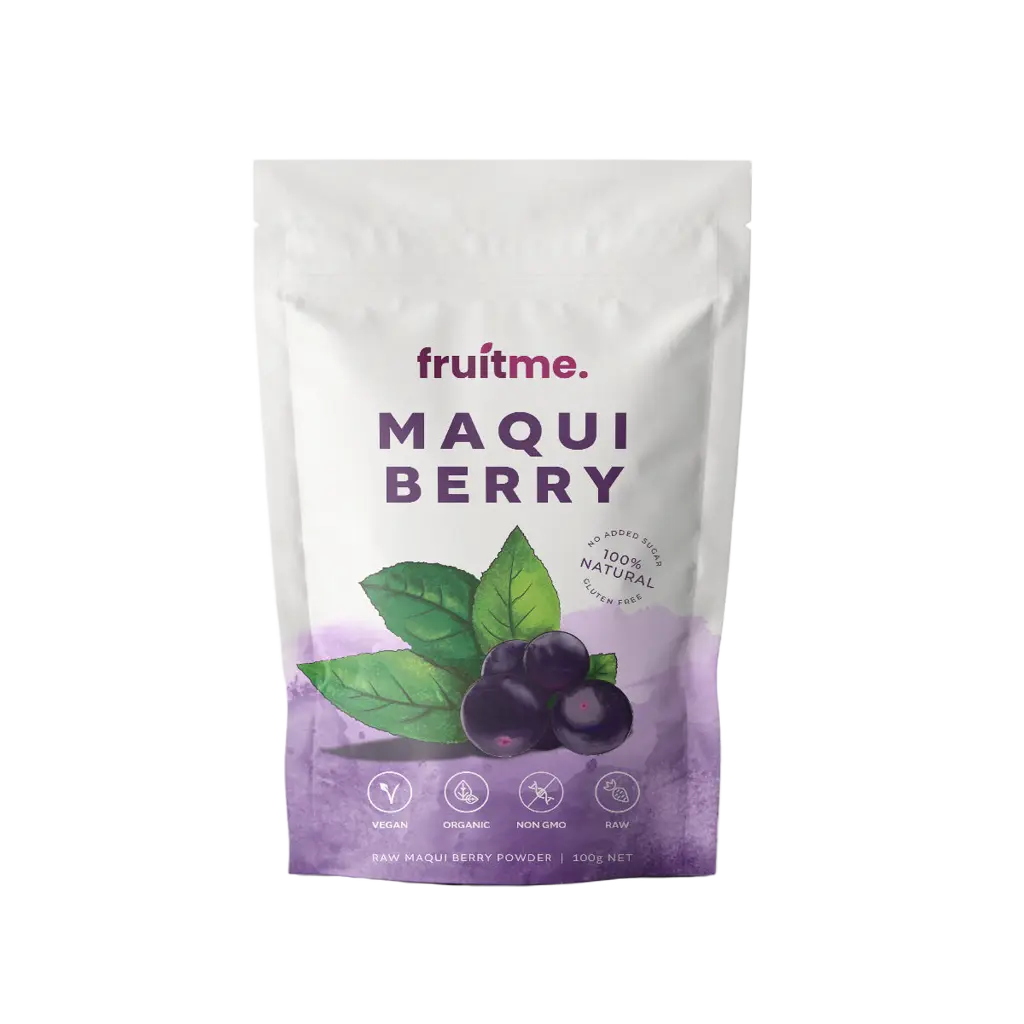
Recommended Products
Carefully selected products from trusted shops.
Community Insights
Premium members share their experiences and knowledge about this plant.
Disclaimer: This content is educational and not medical advice. Always consult a qualified healthcare provider before using any herbs or supplements, especially if you are pregnant, nursing, taking medications, or have a medical condition.