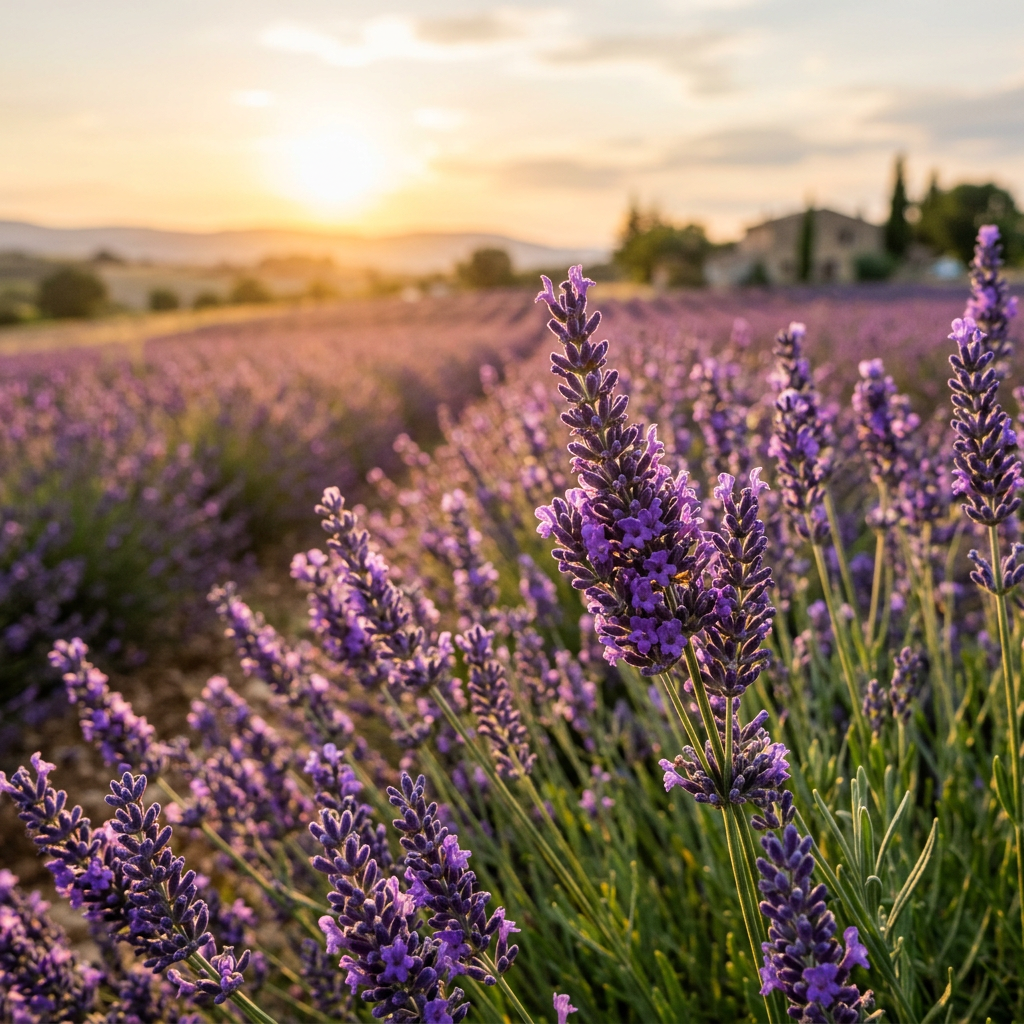
Lavender
Lavandula angustifolia
Family: Lamiaceae
Also known as: True lavender, English lavender, Common lavender, Garden lavender
At a glance
What it is
Traditional use
What modern research suggests (Well-supported)
How people use it
Safety + interactions
May interact with: Sedatives, CNS depressants
Name clarity note
Lavandula angustifolia (true/English lavender) is the therapeutically studied species. Lavandin (Lavandula × intermedia), a hybrid, is much cheaper and used in many commercial products but has different composition and less evidence. Spike lavender (Lavandula latifolia) is different again. Check the species on supplement labels.
Quality notes
For aromatherapy, look for 100% pure Lavandula angustifolia with GC/MS testing results available. French lavender from altitude (e.g. Provence) typically has higher linalool content. Oral silexan capsules (Silexan, 80mg) are a standardised extract used in clinical trials.
FAQs
Can lavender really help with anxiety?
Yes, specifically the oral standardised preparation Silexan (Lasea) has been shown in multiple clinical trials to significantly reduce anxiety in generalised anxiety disorder, with comparable efficacy to low-dose lorazepam and no dependency risk.
Is aromatherapy lavender as effective as lavender capsules?
Aromatherapy lavender has good evidence for acute anxiety reduction in clinical and hospital settings, but the clinical trial evidence for sustained anxiety treatment is based on oral Silexan capsules, not aromatherapy.
Community Insights
Premium members share their experiences and knowledge about this plant.
Disclaimer: This content is educational and not medical advice. Always consult a qualified healthcare provider before using any herbs or supplements, especially if you are pregnant, nursing, taking medications, or have a medical condition.