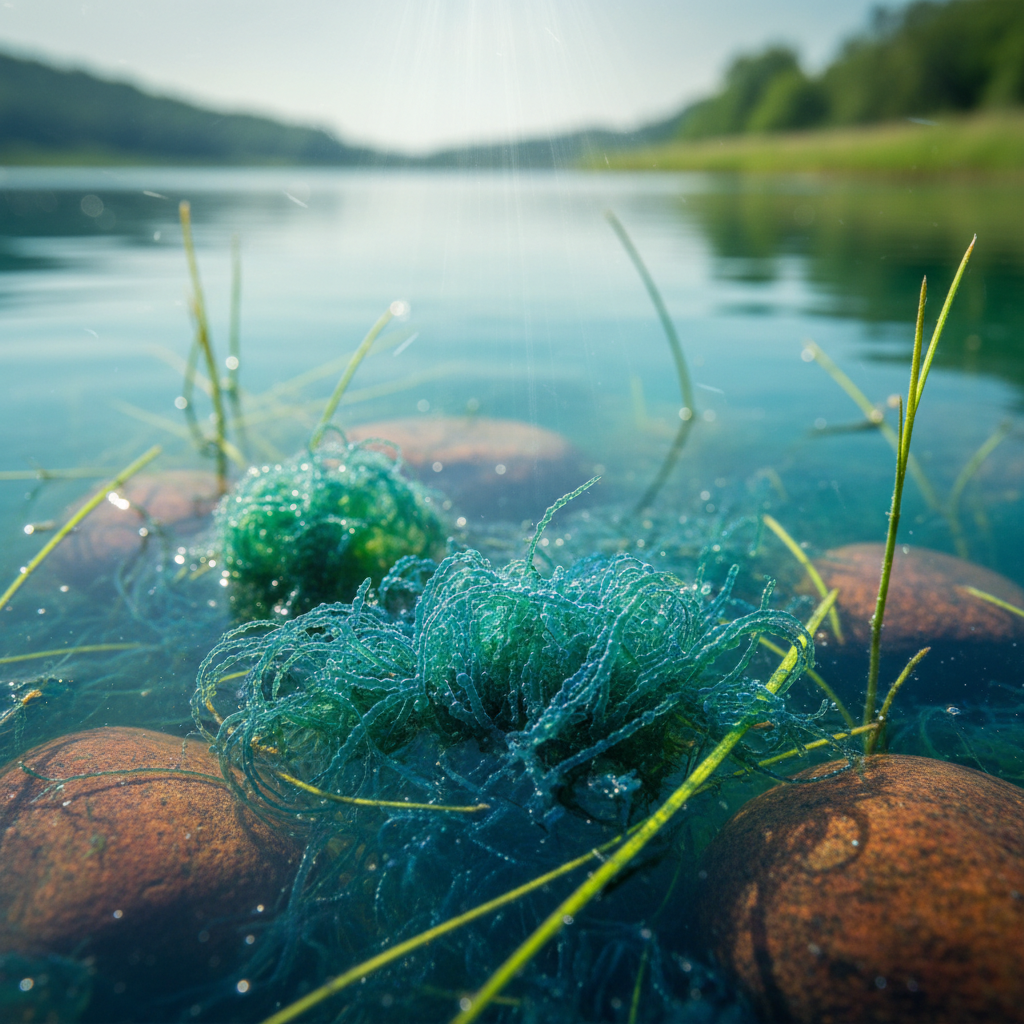
Spirulina
Arthrospira platensis
Family: N/A
Also known as: Blue-green algae
At a glance
What it is
Traditional use
What modern research suggests (Promising)
How people use it
Safety + interactions
May interact with: Immunosuppressants
Name clarity note
True spirulina (Arthrospira) is different from toxic microcystis blooms. Use cultivated, tested products only.
Quality notes
CRITICAL: Must be from controlled, clean sources. Test for microcystins and heavy metals. Avoid wild-harvested.
FAQs
Is it safe?
Yes, if from controlled, tested sources. Wild blue-green algae can be toxic—only use cultivated spirulina.
Is it a good protein source?
It's 60-70% protein by weight and complete (all amino acids), but you'd need large amounts to replace other proteins.
Community Insights
Premium members share their experiences and knowledge about this plant.
Disclaimer: This content is educational and not medical advice. Always consult a qualified healthcare provider before using any herbs or supplements, especially if you are pregnant, nursing, taking medications, or have a medical condition.