Plant MedicineLicorice
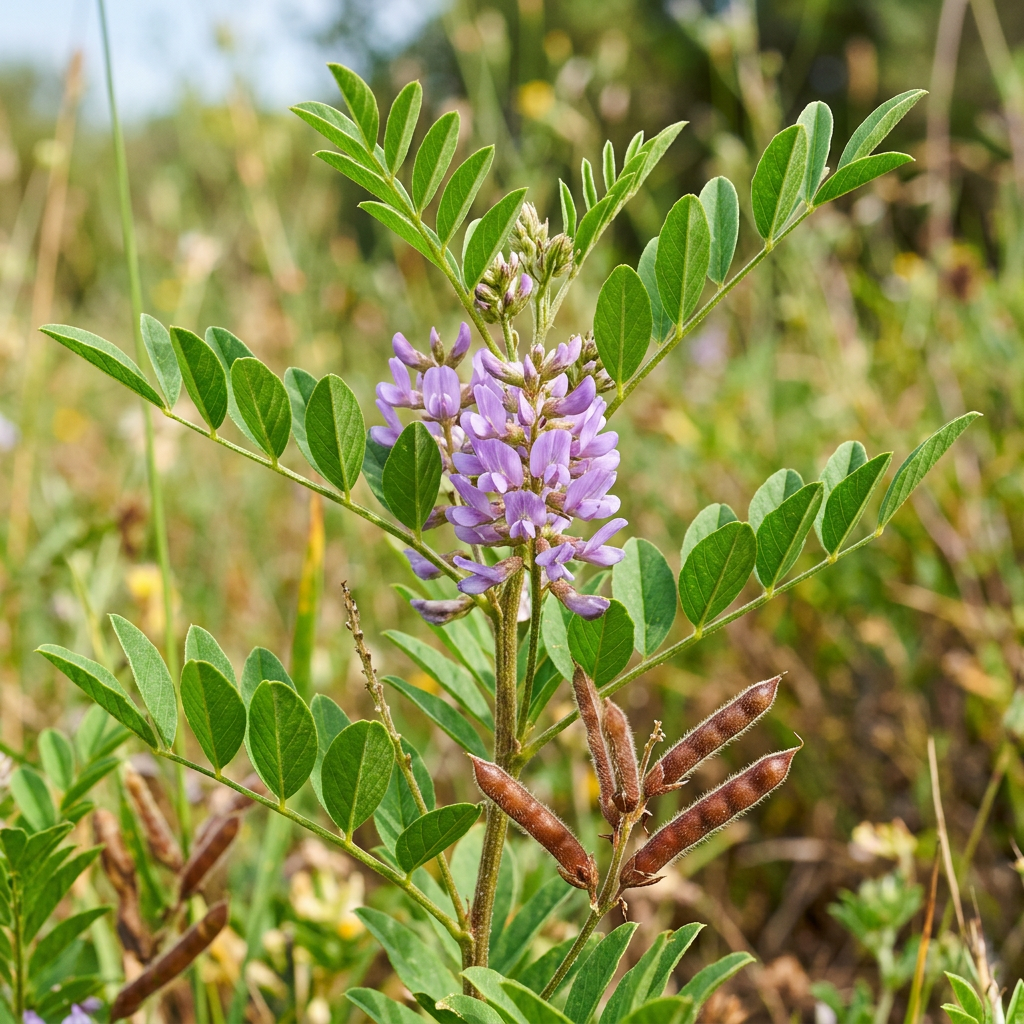
Licorice
Glycyrrhiza glabra
Family: Fabaceae
Also known as: Liquorice, Sweet root
At a glance
Best for: Soothing cough, Digestive ulcers, Adrenal support
Common forms: Tea, Extract, Capsule
Evidence level: Well-supported
Cautions: Long-term use—raises blood pressure; Pregnancy—Avoid; May cause low potassium
What it is
Licorice root is derived from a legume plant native to the Mediterranean. Glycyrrhizin, its main active compound, is 50x sweeter than sugar.
Traditional use
One of the oldest recorded medicinal herbs. Used in TCM, Ayurveda, and European traditions for coughs, digestive ulcers, and as a flavouring agent.
What modern research suggests (Well-supported)
Well-studied: glycyrrhizin shows anti-inflammatory, antiviral, and adrenal-supportive effects. DGL (deglycyrrhizinated) form used for ulcers without side effects.
Safety + interactions
Long-term use of glycyrrhizin can cause hypertension, hypokalemia, and fluid retention. DGL form is much safer. Avoid in hypertension and pregnancy.
May interact with: Diuretics, Blood pressure medications, Corticosteroids
Community Insights
Premium members share their experiences and knowledge about this plant.
Disclaimer: This content is educational and not medical advice. Always consult a qualified healthcare provider before using any herbs or supplements, especially if you are pregnant, nursing, taking medications, or have a medical condition.