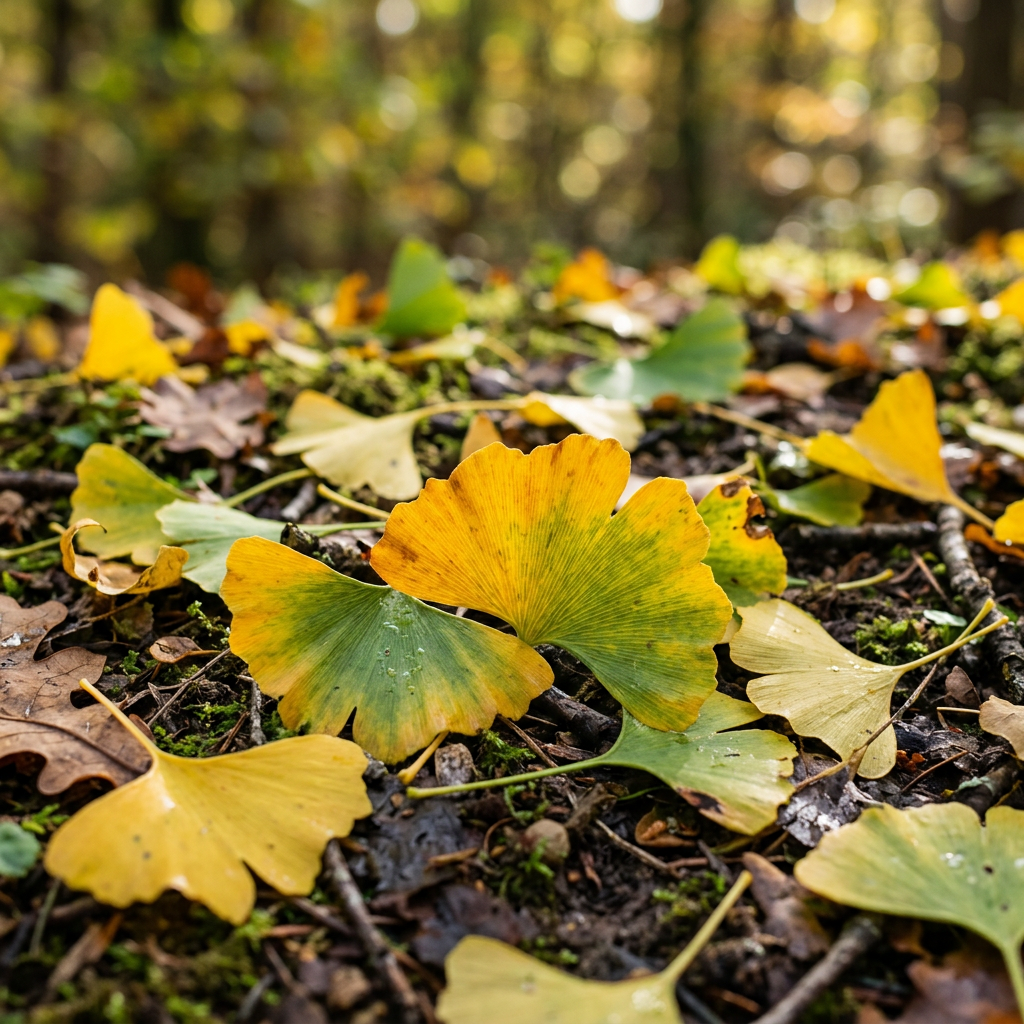
Ginkgo Biloba
Ginkgo biloba
Family: Ginkgoaceae
Also known as: Maidenhair tree, Japanese silver apricot, Bai guo
At a glance
What it is
Traditional use
What modern research suggests (Promising)
How people use it
Name clarity note
Do not confuse with ginkgo seeds (also called ginkgo nuts or bai guo) which are used in cooking but are mildly toxic and should not be eaten in large amounts. The medicinal leaf extract is very different from the seed.
Quality notes
Use only standardised leaf extracts (EGb 761 or LI 1370), standardised to 24% flavonoid glycosides and 6% terpene lactones. Avoid raw or unprocessed ginkgo products. Seeds are toxic if raw. Some cheap products contain little active ingredient—look for European-manufactured products from Germany or France where quality standards are highest.
FAQs
Does ginkgo biloba improve memory?
Clinical evidence shows ginkgo improves memory and cognitive function in people with age-related cognitive decline and early dementia. Evidence for memory improvement in healthy young people is weaker and inconsistent. EGb 761 standardised extract shows the best results.
How long does ginkgo biloba take to work?
Most clinical trials show effects after 4–6 weeks of consistent daily use. Don't expect overnight results—consistent daily supplementation over at least a month is needed before assessing effectiveness.
Can I take ginkgo with blood thinners?
Use extreme caution. Ginkgo has blood-thinning effects and should not be combined with warfarin, aspirin, or other anticoagulants without medical supervision. Stop taking ginkgo at least 2 weeks before any surgery.
Community Insights
Premium members share their experiences and knowledge about this plant.
Disclaimer: This content is educational and not medical advice. Always consult a qualified healthcare provider before using any herbs or supplements, especially if you are pregnant, nursing, taking medications, or have a medical condition.