Plant MedicineElderberry
Elderberry

Elderberry

Sambucus nigra

Family: Adoxaceae

Also known as: Black elder, European elderberry, Elderberry bush, Common elder

At a glance

Best for: Cold & flu, Immune support, Antioxidant, Viral infections
Parts used: Berries, Flowers
Common forms: Syrup, Capsule, Gummy, Tea, Tincture
Evidence level: Promising
Cautions: Raw berries are toxic; Avoid uncooked plant parts; Theoretical concern in autoimmune conditions

What it is

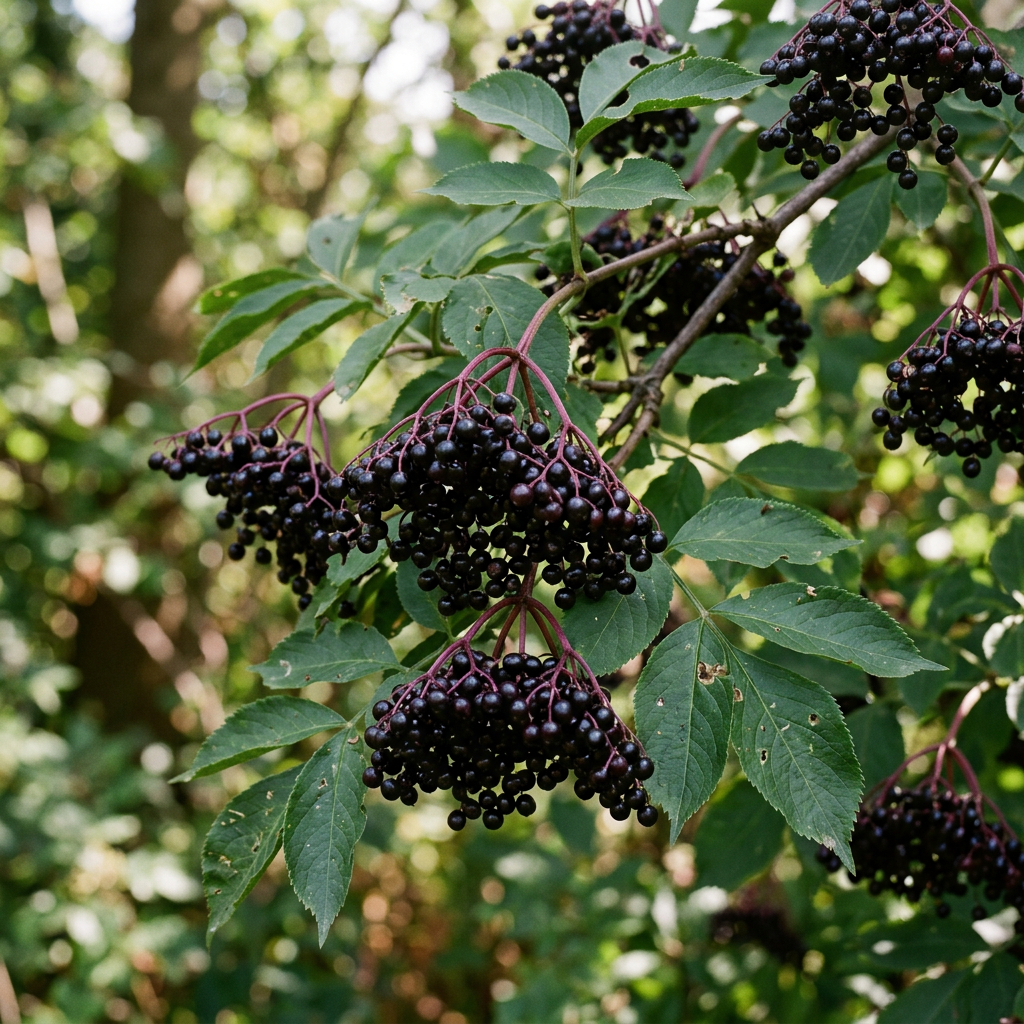
Elderberry is the dark purple berry of the elder shrub. It is exceptionally rich in anthocyanins (the pigments responsible for the purple colour) which have antiviral properties. The berries also contain quercetin, rutin, and other flavonoids.

Traditional use

The elder tree has been called 'the medicine chest of the country people' in European folk medicine. Used across European traditional medicine for centuries for colds, flu, fever, and respiratory conditions. Hippocrates mentioned it. Used by Native Americans for infections and pain.

What modern research suggests (Promising)

A 2016 Cochrane-quality meta-analysis showed elderberry supplementation significantly reduced cold duration and severity. Studies specific to influenza show 2–4 days shorter duration vs placebo. In vitro studies show direct antiviral activity including against influenza A and B. Some evidence for COVID-19 immune modulation.

How people use it

At onset of cold/flu: syrup 15ml (1 tablespoon) 4 times daily for adults, 7.5ml for children, for up to 5 days. Capsules: 500–1000mg 2–3 times daily. As a preventive: smaller doses daily through cold/flu season. Elderflower tea has gentler diaphoretic effects for fever.

Safety + interactions

Safe when berries are properly cooked/processed. Raw, unripe, or uncooked elderberries contain sambunigrin (cyanogenic glycoside) that causes nausea, vomiting. The bark, leaves, and roots also contain toxic compounds. Commercially prepared products are safe. Theoretical concern about immune stimulation in autoimmune disease.

May interact with: Immunosuppressants, Diuretics, Chemotherapy

Quality notes

Commercial elderberry products vary enormously in anthocyanin content. Look for standardised products or those that specify berry content. Sambucol and Sambucus Nigra products use well-studied preparations. Beware of products using very low amounts of elderberry combined with other ingredients as marketing vehicles.

FAQs

Are raw elderberries poisonous?

Yes, raw elderberries contain cyanogenic glycosides (sambunigrin) that can cause nausea and vomiting. Commercially prepared elderberry products are safe because they are processed and cooked. Do not eat raw berries from the garden. The bark and leaves are more toxic.

Is elderberry syrup effective for COVID-19?

There is preliminary in vitro evidence showing elderberry compounds inhibit coronavirus replication, but no robust clinical trials have been conducted specifically for COVID-19. It may be used as general immune support but should not replace medical treatment.

Community Insights

Premium members share their experiences and knowledge about this plant.

Disclaimer: This content is educational and not medical advice. Always consult a qualified healthcare provider before using any herbs or supplements, especially if you are pregnant, nursing, taking medications, or have a medical condition.

Related entries