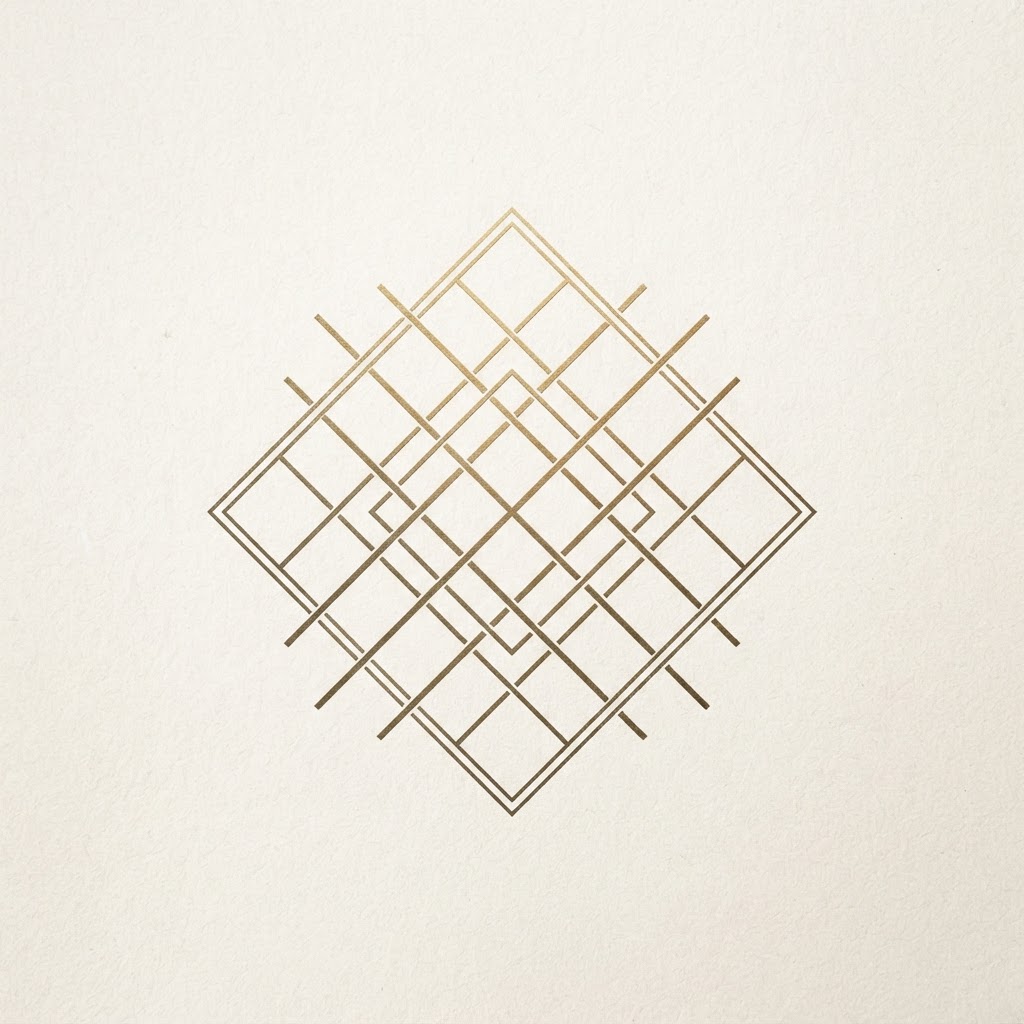
Web of Wyrd: Meaning, Origin & Symbolism
Also known as: Skuld's Net, Matrix of Fate, Wyrd's Web
Norse/Germanic
Norse/Germanic (Modern reconstruction)
All Chakra
Ether/Spirit
Wisdom
Transformation
Harmony
A modern interlocking geometric matrix representing the interconnected web of destiny and past, present, and future.
Quick Facts
- Category
- Norse/Germanic
- Culture / Origin
- Norse/Germanic (Modern reconstruction)
- Geographic Origin
- Northern Europe
- Historical Period
- Contemporary (concept: Migration Period)
- Estimated Age
- Concept: 1500+ years; Graphic: Late 20th century
- Element
- Ether/Spirit
- Planet
- Saturn
- Chakra
- All
- Zodiac
- Aquarius, Scorpio
- Deities
- The Norns, Frigg
- Verification
- unverified
What is Web of Wyrd?
The Web of Wyrd is a modern Germanic neo-pagan symbol constructed from nine intersecting lines that form an intricate, interlocking lattice. Inside its geometric architecture, every single character of the Elder Futhark rune row can be discovered and traced. While the visual emblem itself was designed in the late 20th century, the spiritual concept it conveys is deeply rooted in authentic Old Norse cosmology. 'Wyrd' (from Old English, cognate with Old Norse Urðr) describes the dynamic, ever-evolving web of fate woven by the three Norns (Urðr, Verðandi, and Skuld) beneath the roots of Yggdrasil. Rather than a static, predestined script, Wyrd denotes a cosmic tapestry where past actions relentlessly shape present conditions and future potentials.
Meaning of Web of Wyrd
The universal fabric of cause and effect, weaving past, present, and future into a continuous whole.
Origin & History
In Old Germanic belief, fate was conceived as a woven cloth or spun thread. The Norns sat at the Well of Urðr weaving the fates of gods and men. The modern nine-line emblem was codified to encapsulate all runic archetypes within a single unifying matrix.
Spiritual Meaning
The Web of Wyrd symbolizes the profound reality of cosmic interconnectedness. Every thought, choice, and deed ripples across the multi-dimensional fabric of existence, affecting not only the self but the entire collective web. It serves as an empowering philosophical reminder that while one inherits ancestral and past debts (Örlög), one actively participates in weaving the emergent future.
Symbolism
The nine intersecting lines represent the Nine Worlds of the cosmos, the nine nights of Odin's self-sacrifice, and the full runic matrix of universal wisdom.
Traditional Uses
Reflects the ancient North European fatalism: heroic acceptance of one's destiny paired with the agency to act honorably within that framework.
Modern Spiritual Uses
Used by modern heathens, diviners, and runic scholars to understand ancestral karma, interconnectedness, and conscious manifestation.
Healing Associations
Aids in resolving ancestral trauma and untangling complex subconscious energetic blockages.
How the Symbol Is Used
- •Runic divination
- •Ancestral healing
- •Karmic untying ceremonies
- •Meditation on fate
Cultural Context
Norse/Germanic (Modern reconstruction) — Northern Europe (Contemporary (concept: Migration Period))
Sources & References
- 1.Paul B. Bauschatz, The Well and the Tree: World and Time in Early Germanic Culture
- 2.Poetic Edda (Völuspá)
- 3.Edred Thorsson, Runelore
This content is for educational and informational purposes only. Where modern spiritual interpretations are described, they are not presented as ancient historical facts. It is not a substitute for professional medical or spiritual advice.