Lotus: Meaning, Origin & Symbolism
Also known as: Padma, Kamala, Pankaja
Hindu
Hindu
Heart Chakra
Crown Chakra
Water
Healing
Peace
Transformation
Love
A profound emblem of spiritual purity, non-attachment, divine birth, and unfolding enlightenment.
Quick Facts
- Category
- Hindu
- Culture / Origin
- Hindu
- Geographic Origin
- Indian Subcontinent
- Historical Period
- Vedic Period
- Estimated Age
- circa 1500 BCE
- Element
- Water
- Planet
- Moon
- Chakra
- Heart, Crown
- Zodiac
- Cancer, Pisces
- Deities
- Lakshmi, Vishnu, Brahma, Saraswati
- Verification
- unverified
What is Lotus?
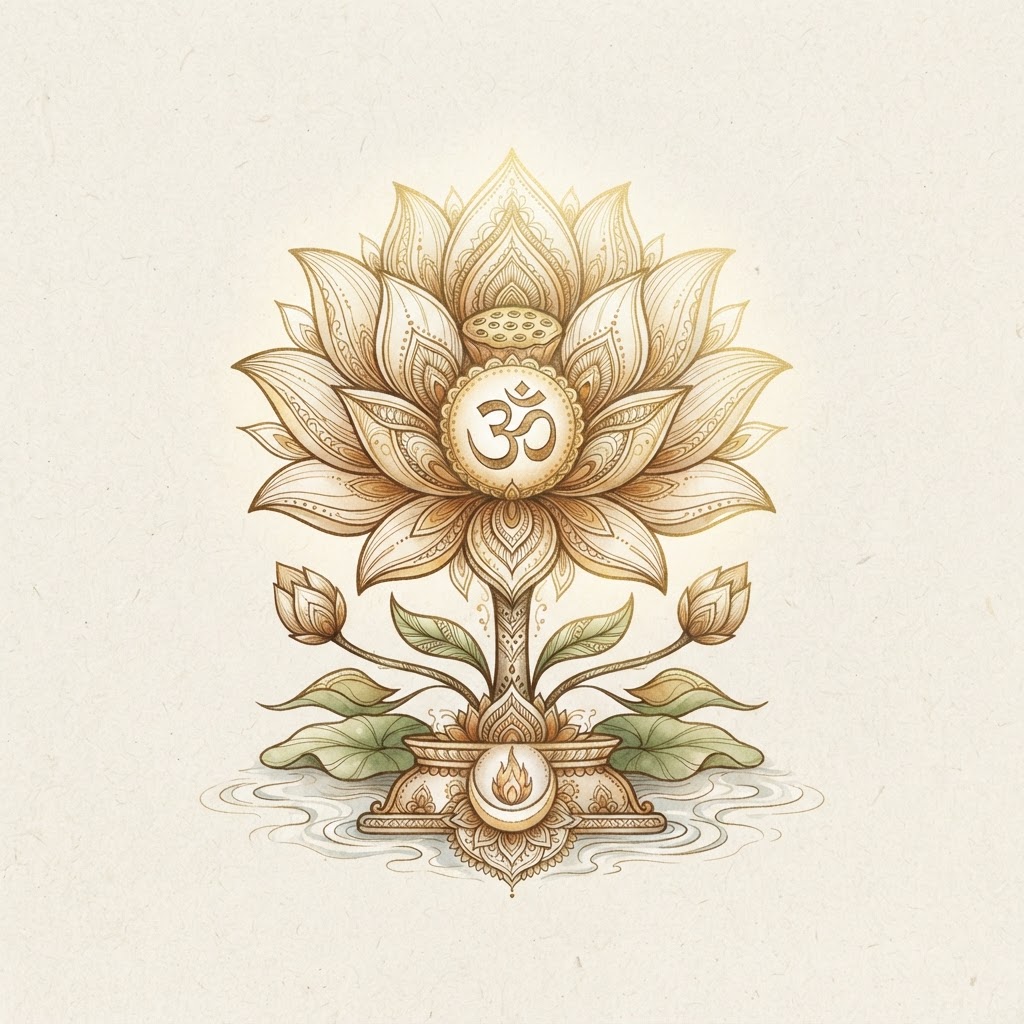
The Lotus (Padma) is among the most pervasive botanical symbols in Hinduism, embodying pristine beauty that blossoms unsullied from murky, stagnant waters. Growing with roots anchored in mud, its stalk rising through water, and its pristine petal opening above the surface, it portrays the journey of the soul.
In iconography, almost every major Hindu deity is depicted either standing upon a lotus blossom, seated on a lotus throne (padmasana), or holding a bloom in hand. It signifies supreme spiritual authority, aesthetic grace, and spiritual transcendence.
The plant's water-repellent leaves further amplify this message, highlighting how an enlightened individual lives amidst the material world without being stained by its desires and fleeting illusions.
Meaning of Lotus
Spiritual enlightenment, purity of heart, and detached engagement with the world.
Origin & History
References to cosmic lotuses appear as early as the Rigveda and the creation narratives of the Puranas, where Brahma the creator emerges from a golden lotus arising from Vishnu's navel.
Across millennia of Indian temple architecture, the lotus motif became foundational, decorating column bases, ceilings, and sanctum plinths throughout the subcontinent.
Spiritual Meaning
The lotus models the path of the human spirit. The mud represents mundane earthly existence; the stem, spiritual practice through life's trials; the flower, liberation (moksha) basking in divine sunlight.
In yogic anatomy, energy vortexes along the spine are visualized as lotuses whose petals open progressively as spiritual awareness rises.
Symbolism
The mud signifies primal matter and ignorance; the water signifies emotional and sensory existence; the blossom represents transcendence and divine self-illumination. Unfolded petals denote higher stages of awakened awareness.
Traditional Uses
The divine throne of Lakshmi and Saraswati, symbolizing that true wealth, wisdom, and nobility remain completely pure and uncontaminated by earthly decay.
Modern Spiritual Uses
Universally recognized in contemporary wellness as an archetype of resilience, inner awakening, and personal transformation through adversity.
Healing Associations
Opens emotional blockages around the chest and promotes unconditional compassion and self-forgiveness.
How the Symbol Is Used
- •Asana practice (Padmasana)
- •Chakra visualization
- •Bhakti devotional offerings
Cultural Context
Hindu — Indian Subcontinent (Vedic Period)
Sources & References
- 1.The Mythic Image by Joseph Campbell
- 2.Hindu Goddesses by David Kinsley
This content is for educational and informational purposes only. Where modern spiritual interpretations are described, they are not presented as ancient historical facts. It is not a substitute for professional medical or spiritual advice.