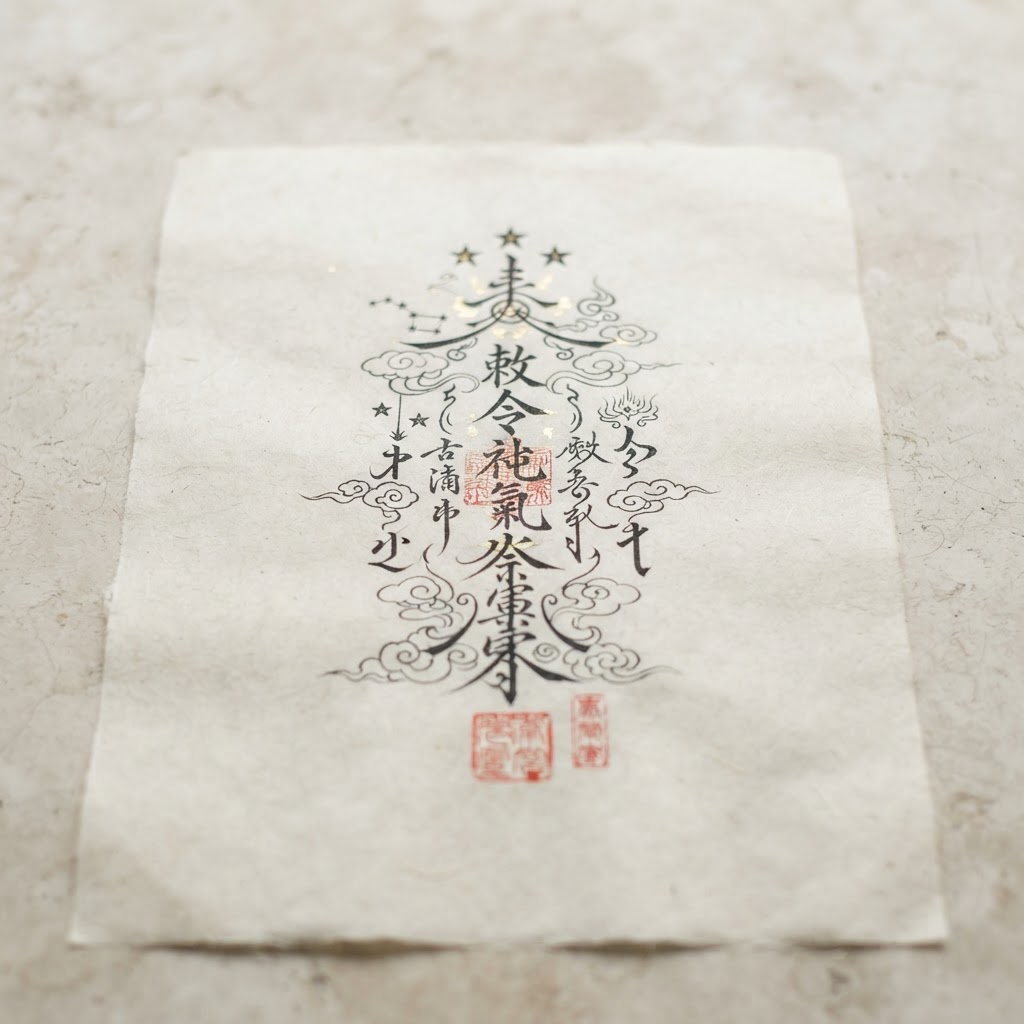
Fulu: Meaning, Origin & Symbolism
Also known as: Taoist Talisman, Fu Talisman, Magic Registers, Lingfu
Taoist/Chinese
Taoist/Chinese
Crown Chakra
Third Eye Chakra
Fire
Protection
Healing
Purification
Ward Negative Energy
Sacred calligraphy and esoteric diagrams drawn on paper to invoke divine spirits, balance energetic environments, and offer protection.
Quick Facts
- Category
- Taoist/Chinese
- Culture / Origin
- Taoist/Chinese
- Geographic Origin
- China
- Historical Period
- Eastern Han Dynasty to present
- Estimated Age
- circa 150 CE
- Element
- Fire
- Chakra
- Crown, Third Eye
- Deities
- Zhang Daoling, Three Pure Ones, Xuanwu
- Verification
- unverified
What is Fulu?
Fulu are sacred Taoist talismans that combine celestial script, esoteric diagrams, secret signatures of deities, and incantations. Typically painted by an ordained Taoist priest using cinnabar or black ink on yellow, red, or green paper, a Fu serves as an authoritative cosmic decree or energetic contract connecting the mundane realm with the celestial bureaucracy of Taoist deities.
The characters used in Fulu often resemble classical Chinese characters but are stylized, distorted, and layered with secret cosmological symbols known as Cloud Script (Yunshu). The creation of a Fu requires rigorous meditative purification, breath control (Qi retention), mudras, and divine invocation to imbue the physical paper with authentic spiritual efficacy.
Throughout Chinese history, Fulu have been utilized across all social strata for an extensive range of purposes, including exorcism, warding against plagues, safeguarding residences, ensuring safe travels, and resolving astrological afflictions.
Meaning of Fulu
A Fulu represents a consecrated spiritual mandate that directs cosmic Qi and summons celestial assistance for specific protection, healing, or ritual purposes.
Origin & History
The use of Fulu traces back to the very origins of organized religious Taoism during the Eastern Han Dynasty, specifically within the Way of the Celestial Masters (Tianshi Dao) founded by Zhang Daoling in 142 CE. Zhang and his successors issued tallies and protective registers to initiate followers and cure illnesses.
Over the subsequent centuries, talismanic traditions expanded dramatically, giving rise to distinct lineages like Shangqing and Lingbao, each preserving voluminous secret manuals of talismanic calligraphies. During the Song and Ming dynasties, the Zheng-yi (Orthodox Unity) lineage at Mount Longhu was granted imperial authority over talismanic rites across China.
Spiritual Meaning
At its deepest level, a Fulu is a physical manifestation of primordial breath (Qi) structured through sacred intent and calligraphy. It acts as an energetic conduit connecting human consciousness to cosmic archetypes and immortals. For the practitioner, preparing a Fu is an intensive practice of internal stillness, where individual ego dissolves and the universal Tao writes through the brush.
When worn, burned, dissolved in water, or posted above a doorway, the Fu alters the vibrational frequency of its environment. It cleanses stagnant or malevolent spiritual influences and restores cosmic order by establishing a localized sanctuary of sacred space.
Symbolism
The yellow paper represents Earth and the center of the universe. Cinnabar red ink symbolizes Yang vitality, blood, life, and the power to dispel darkness. The crown of the talisman frequently features three hooks signifying the Three Pure Ones, while the body incorporates planetary sigils, constellation grids, and divine commands.
Traditional Uses
Traditionally viewed as official edicts issued from the celestial administration. A consecrated talisman possesses real legal and supernatural authority within the unseen spirit realms, commanding spirits and ghost-entities to depart or cease disruptions.
Modern Spiritual Uses
In contemporary esoteric and cultural contexts, Fulu are appreciated as sacred sacred art, energetic talismans, and conduits for focused intention, protection, and psychological comfort.
Healing Associations
Burned to ashes and mixed with purified water in historical folk rituals to create an energetic infusion that treats illnesses believed to be caused by spiritual shock or imbalance.
Protection Associations
Widely posted on doors, bedposts, or carried on the body to ward off ghosts, counteract hexes, neutralize bad luck, and protect against accidents.
How the Symbol Is Used
- •Taoist Liturgy
- •Zhengyi Rites
- •Esoteric Calligraphy
- •Feng Shui Exorcism
Cultural Context
Taoist/Chinese — China (Eastern Han Dynasty to present)
Sources & References
- 1.Schipper, Kristofer. 'The Taoist Body' (1993)
- 2.Strickmann, Michel. 'Chinese Magical Medicine' (2002)
- 3.Bokenkamp, Stephen R. 'Early Daoist Scriptures' (1997)
This content is for educational and informational purposes only. Where modern spiritual interpretations are described, they are not presented as ancient historical facts. It is not a substitute for professional medical or spiritual advice.