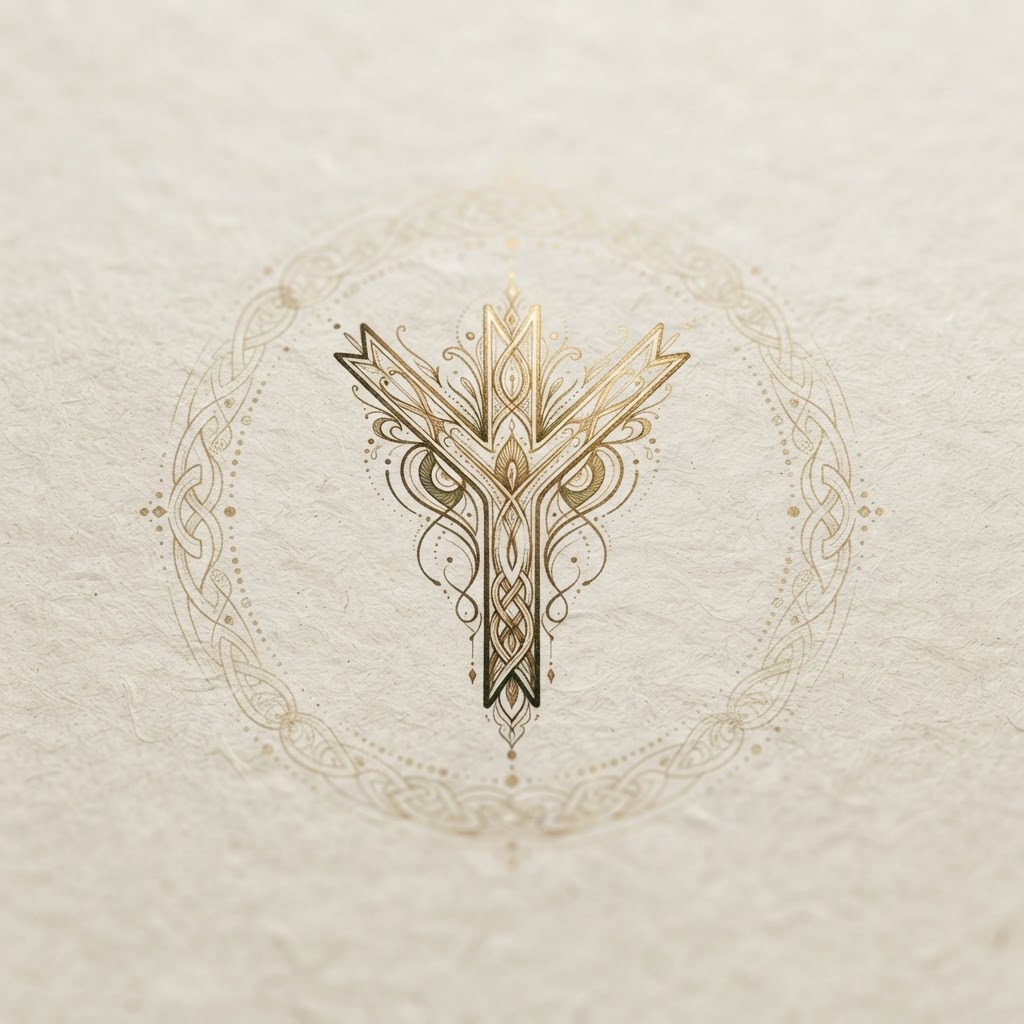
Fehu: Meaning, Origin & Symbolism
Also known as: Faihu, Feo, Fé
Elder Futhark Runes
Germanic
Root Chakra
Solar Plexus Chakra
Fire
Abundance
Manifestation
Vitality
Prosperity
The first rune of the Elder Futhark, Fehu symbolizes mobile wealth, cattle, vitality, and the spark of creation.
Quick Facts
- Category
- Elder Futhark Runes
- Culture / Origin
- Germanic
- Geographic Origin
- Northern Europe
- Historical Period
- Migration Period
- Estimated Age
- circa 150 CE
- Element
- Fire
- Planet
- Venus
- Chakra
- Root, Solar Plexus
- Zodiac
- Taurus, Aries
- Deities
- Freyr, Freyja, Njord
- Verification
- unverified
What is Fehu?
Fehu is the opening glyph of the Elder Futhark runic alphabet, traditionally representing domesticated cattle, which constituted the primary measure of movable wealth, status, and sustenance in early Germanic society. Unlike static land holdings, Fehu embodies dynamic, circulating capital and personal industry that must be actively stewarded to maintain its value.
In runic cosmology, Fehu represents the primal, unrestrained fire of creation—the volcanic and solar energies that interact with ancient ice to spark physical manifest reality. It is associated with raw vital force, reproductive potency, and the initial burst of ambition required to bring projects into physical existence.
When viewed systematically within the first ætt (Freyr's ætt), Fehu establishes the baseline of material survival and abundance. It teaches that prosperity is not mere accumulation, but a circulating current of generosity, exchange, and community responsibility.
Meaning of Fehu
Movable wealth, cattle, raw abundance, and the financial foundation of the community.
Origin & History
Epigraphically attested across early Germanic artifacts such as the Kylver Stone and the Vadstena bracteate, Fehu's name reconstructs from Proto-Germanic *fehu, meaning livestock or cattle. The historical rune poems (Old English, Old Norwegian, and Old Icelandic) consistently corroborate this association, linking it to herd animals, wealth, and the social discord that hoarding wealth can cause.
In early tribal Europe, cattle were the standard medium of exchange and an indicator of a chieftain's capacity to maintain retainers. Possessing herds provided meat, milk, leather, and draft power, making the glyph an emblem of practical survival and earned prosperity.
Spiritual Meaning
Spiritually, Fehu represents the primal spark of creative energy (muspelheim's fire) that animates stagnant matter. It is the generative force that initiates journeys, ideas, and endeavors.
It encourages active manifestation, warning against spiritual and material stagnation. Wealth within the Northern worldview must circulate like blood through the body; thus, Fehu carries the spiritual duty of reciprocal giving and stewardship of resources.
Symbolism
The shape of Fehu resembles the head and horns of a bovine or an upward-reaching branch of dynamic growth, denoting upward mobility, fertility, and primal drive.
Traditional Uses
Historically, Fehu denotes prosperity and luck, but historical rune poems caution that wealth causes strife among kin, emphasizing ethical stewardship and generosity.
Modern Spiritual Uses
Modern esoteric practitioners use Fehu for manifesting financial success, invigorating creative projects, and revitalizing low physical stamina.
Healing Associations
Revitalizing vital life force, combating exhaustion, and boosting respiratory and physical vitality.
Protection Associations
Safeguarding property, livestock, and tangible assets against theft or sudden loss.
How the Symbol Is Used
- •Runic Divination
- •Galdr
- •Talisman Crafting
- •Manifestation Work
Cultural Context
Germanic — Northern Europe (Migration Period)
Sources & References
- 1.The Old English Rune Poem
- 2.Runes: A Handbook by Michael P. Barnes
- 3.Futhark: A Handbook of Rune Magic by Edred Thorsson
This content is for educational and informational purposes only. Where modern spiritual interpretations are described, they are not presented as ancient historical facts. It is not a substitute for professional medical or spiritual advice.