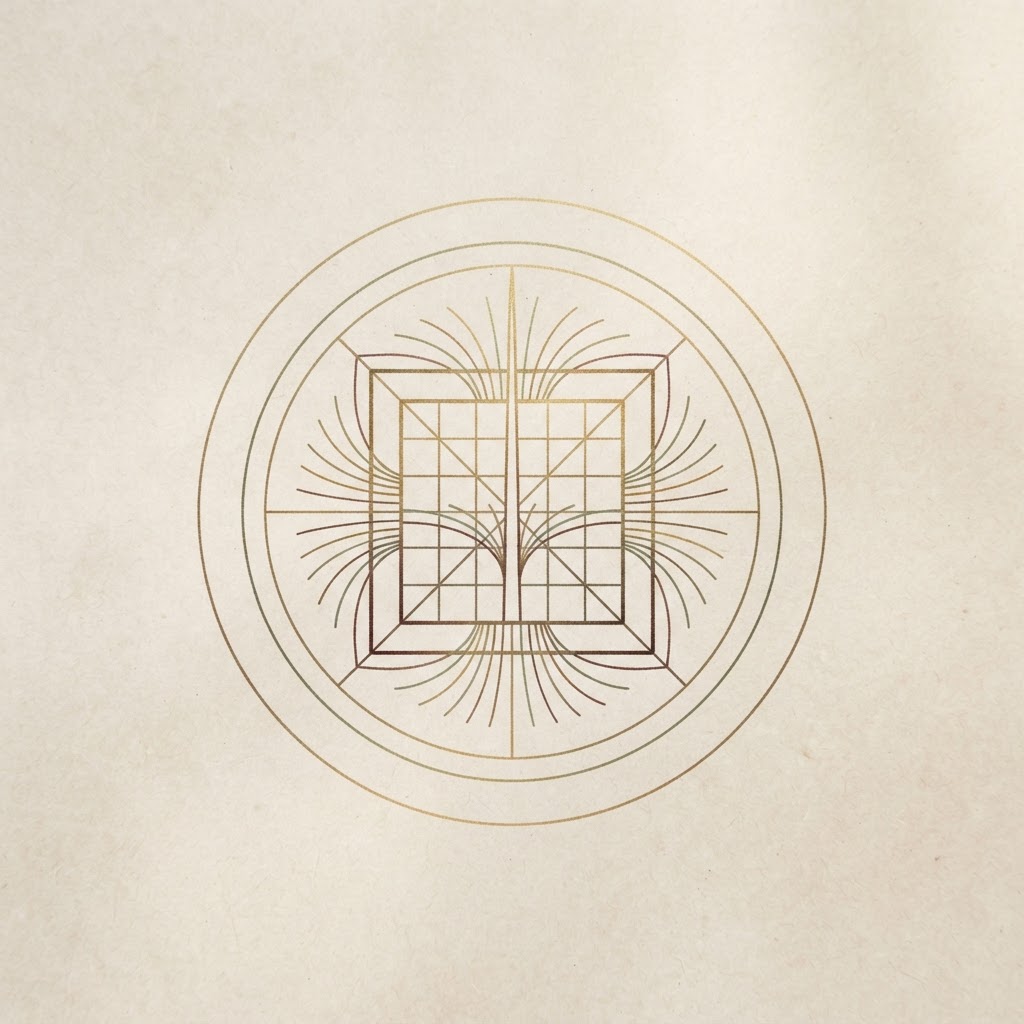
Antahkarana: Meaning, Origin & Symbolism
Also known as: Rainbow Bridge, The Cosmic Cube
Healing Symbols
Tibetan and Hindu esoteric traditions
Crown Chakra
Third Eye Chakra
All Chakra
Ether/Spirit
Healing
Wisdom
Transformation
Alignment
An ancient Tibetan and Hindu multi-dimensional geometric symbol used for energetic alignment, meditation, and deep chakra healing.
Quick Facts
- Category
- Healing Symbols
- Culture / Origin
- Tibetan and Hindu esoteric traditions
- Geographic Origin
- India and Tibet
- Historical Period
- Ancient/Esoteric Lineage
- Estimated Age
- Undetermined; claimed antiquity
- Element
- Ether/Spirit
- Planet
- Uranus
- Chakra
- Crown, Third Eye, All
- Verification
- unverified
What is Antahkarana?
The Antahkarana is an ancient yantra-like geometric glyph consisting of three connected sevens arranged within a cube-like planar perspective. Deeply rooted in Hindu and Buddhist philosophy, the term 'Antahkarana' translates from Sanskrit as the 'inner instrument' or 'inner cause,' referring to the psychological apparatus consisting of the mind (Manas), intellect (Buddhi), ego (Ahamkara), and memory (Chitta).
In esoteric healing traditions, the Antahkarana represents the energetic bridge that connects the physical personality and brain with the Higher Self or divine monad. When used visually or placed under treatment tables, it does not require conscious direction; its precise sacred geometry is believed to naturally stimulate the pineal gland, synchronize the subtle bodies, and neutralize negative energetic frequencies.
Energy workers utilize the symbol in both its male (direct, yang) and female (soothing, yin) orientations to neutralize disharmony during bodywork, accelerate the efficacy of other healing modalities like Reiki, and facilitate direct communion with transcendent consciousness.
Meaning of Antahkarana
The inner bridge of consciousness connecting the physical mind to the Higher Self and divine awareness.
Origin & History
In classical Vedanta, the Antahkarana is thoroughly documented as the internal organ of consciousness that processes sensory data and mediates between the soul (Atman) and the external world. Later esoteric traditions associated its geometric glyph with secret meditation halls in Tibet, where it was carved into stone alters and utilized for deep contemplative trance.
In the 20th century, the geometric glyph of the Antahkarana was reintroduced into the Western world by Reiki masters and Theosophists, who identified it as an ancient cosmic template designed to accelerate the evolution of human consciousness and purge negative energy from spiritual bodies.
Spiritual Meaning
The Antahkarana symbolizes the multi-dimensional descent of cosmic light into human awareness. The three sevens that compose its geometry reflect the seven chakras, the seven rays of creation, and the seven dimensions of conscious existence.
Spiritually, it acts as a dynamic energetic portal: it aligns the central pranic column, neutralizes mental static, and anchors the luminous presence of the Higher Self directly into the lower auric sheaths. By meditating upon the Antahkarana, an individual dissolves the illusion of separation, clearing karmic debris and achieving deep mental quietude.
Symbolism
The three interconnected numerical sevens represent the seven chakras, planes of creation, and musical notes; together they create an optical illusion of a rotating three-dimensional cube, signifying mastery over spatial dimensions.
Traditional Uses
An internal cognitive mechanism in Vedanta; in esoteric Tibetan mysticism, an occult geometric mandala for rapid psycho-spiritual clearing.
Modern Spiritual Uses
Used as an energetic neutralizer, placed beneath massage tables to clear patient blockages, and utilized in crystal grids for deep auric realignment.
Healing Associations
Pineal gland stimulation, chakra clearing and balancing, headache relief, and mental clarity restoration.
Protection Associations
Neutralizes negative thought forms, dissipates psychic attacks, and cleanses physical spaces of stagnant electromagnetic dissonance.
How the Symbol Is Used
- •Reiki amplification
- •Radionics
- •Theosophical meditation
- •Crystal healing grids
Cultural Context
Tibetan and Hindu esoteric traditions — India and Tibet (Ancient/Esoteric Lineage)
Sources & References
- 1.Bailey, Alice A. A Treatise on White Magic. Lucis Trust, 1934.
- 2.Saraydarian, Torkom. The Science of Becoming Oneself. Aquarian Educational Group, 1980.
This content is for educational and informational purposes only. Where modern spiritual interpretations are described, they are not presented as ancient historical facts. It is not a substitute for professional medical or spiritual advice.