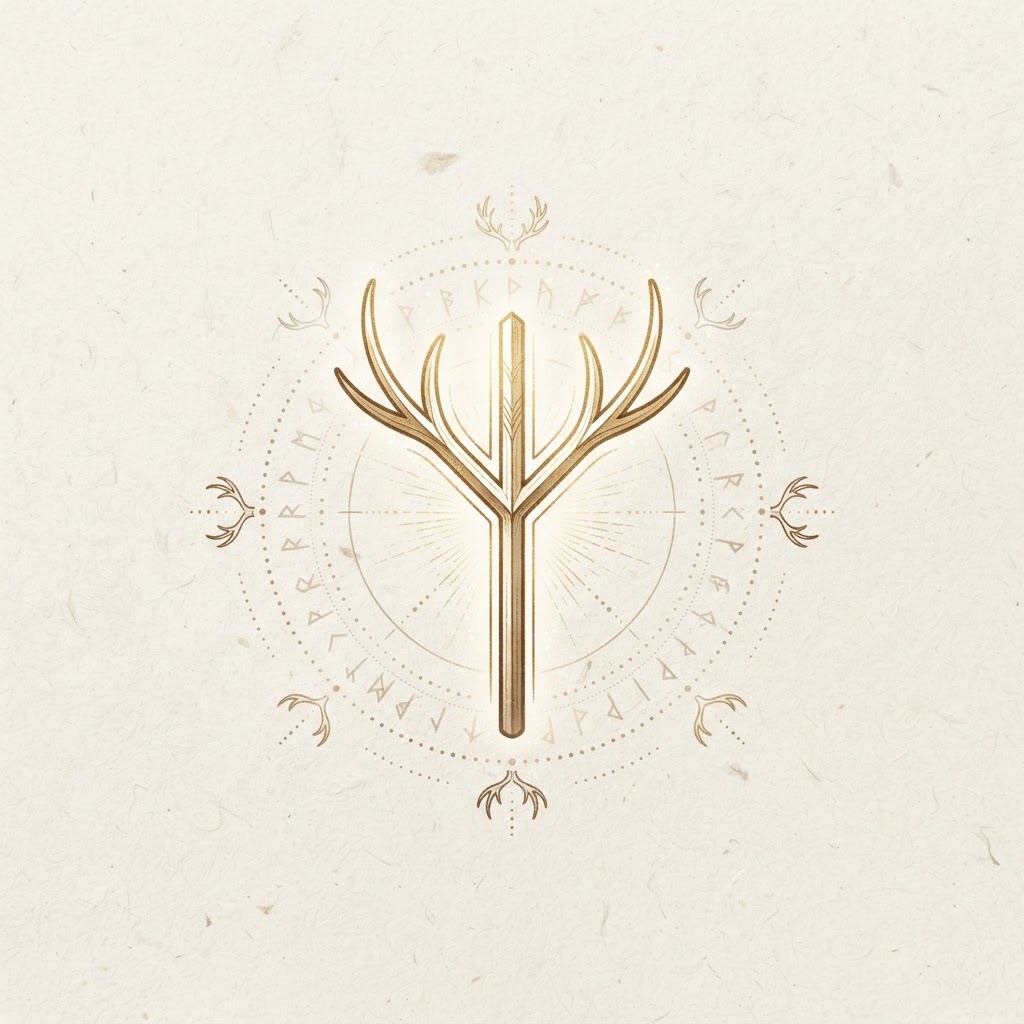
Algiz: Meaning, Origin & Symbolism
Also known as: Elhaz, Eolh, Algir
Elder Futhark Runes
Germanic
Crown Chakra
Third Eye Chakra
Air
Protection
Wisdom
Harmony
Transformation
The quintessential rune of protection, sanctuary, higher consciousness, and the elk's watchful antlers.
Quick Facts
- Category
- Elder Futhark Runes
- Culture / Origin
- Germanic
- Geographic Origin
- Northern Europe
- Historical Period
- Migration Period
- Estimated Age
- circa 150 CE
- Element
- Air
- Planet
- Jupiter
- Chakra
- Crown, Third Eye
- Zodiac
- Pisces, Cancer
- Deities
- Heimdall, Valkyries
- Verification
- unverified
What is Algiz?
Algiz is the fifteenth rune of the Elder Futhark, predominantly associated with protection, divine sanctuary, and spiritual alignment. Its name reconstructs to Proto-Germanic *algiz, connected etymologically with the elk or moose, and the protective plant 'elk-sedge.'
This glyph embodies an energetic perimeter through which harm cannot easily pass. Like the massive antlers of the elk, it warns off predators and defends the sacred perimeter while remaining attuned to subtle shifts in the environment.
Algiz functions as an energetic bridge between humanity and the higher realms. With arms raised upward, it symbolizes the practitioner reaching toward divine wisdom, drawing down celestial protection, and grounding it firmly into terrestrial reality.
Meaning of Algiz
Elk, divine protection, sanctuary, defense, and heightened awareness.
Origin & History
Widely found on early amulets, spearheads, and grave markers, Algiz served as one of the primary defensive wards of the Germanic world.
The Anglo-Saxon rune poem calls it 'Eolh-secg' (elk-sedge), a sharp wetland grass that burns the hands of anyone who grasps it, highlighting that the protection of Algiz is active and self-defending. In the Younger Futhark, it shifted to the 'man' or 'yr' rune, but preserved its essential posture of arms raised to heaven.
Spiritual Meaning
Spiritually, Algiz represents the awakening of the higher self and connection with protective spirits (fylgja or valkyries). It marks a state of acute intuitive awareness and sacred shelter.
It calls for vigilant awareness: one is protected not by retreating into ignorance, but by standing tall, alert, and consciously tethered to the divine current.
Symbolism
The three splayed prongs represent the antlers of an elk, the splayed foot of a swan, or a human figure standing with arms raised to the sky in prayer or magical invocation.
Traditional Uses
Historically carved to ensure martial protection in combat, ward burial places from desecration, and secure sacred boundaries.
Modern Spiritual Uses
Widely employed today in talismans and tattoos as an overarching shield against negative energy, emotional toxicity, and psychic attacks.
Healing Associations
Strengthening the immune defense, relieving aura fractures, grounding nervous tension.
Protection Associations
Ultimate warding against physical assault, energetic drain, psychic hostility, and invasive spirits.
How the Symbol Is Used
- •Amulet Carving
- •Circle Casting
- •Galdr Stances (Stadhagaldr)
- •Divination
Cultural Context
Germanic — Northern Europe (Migration Period)
Sources & References
- 1.The Anglo-Saxon Rune Poem
- 2.The Book of Runes by Francis Melville
- 3.Helrunar: A Manual of Rune Magick by Jan Fries
This content is for educational and informational purposes only. Where modern spiritual interpretations are described, they are not presented as ancient historical facts. It is not a substitute for professional medical or spiritual advice.