Plant MedicineBoldo
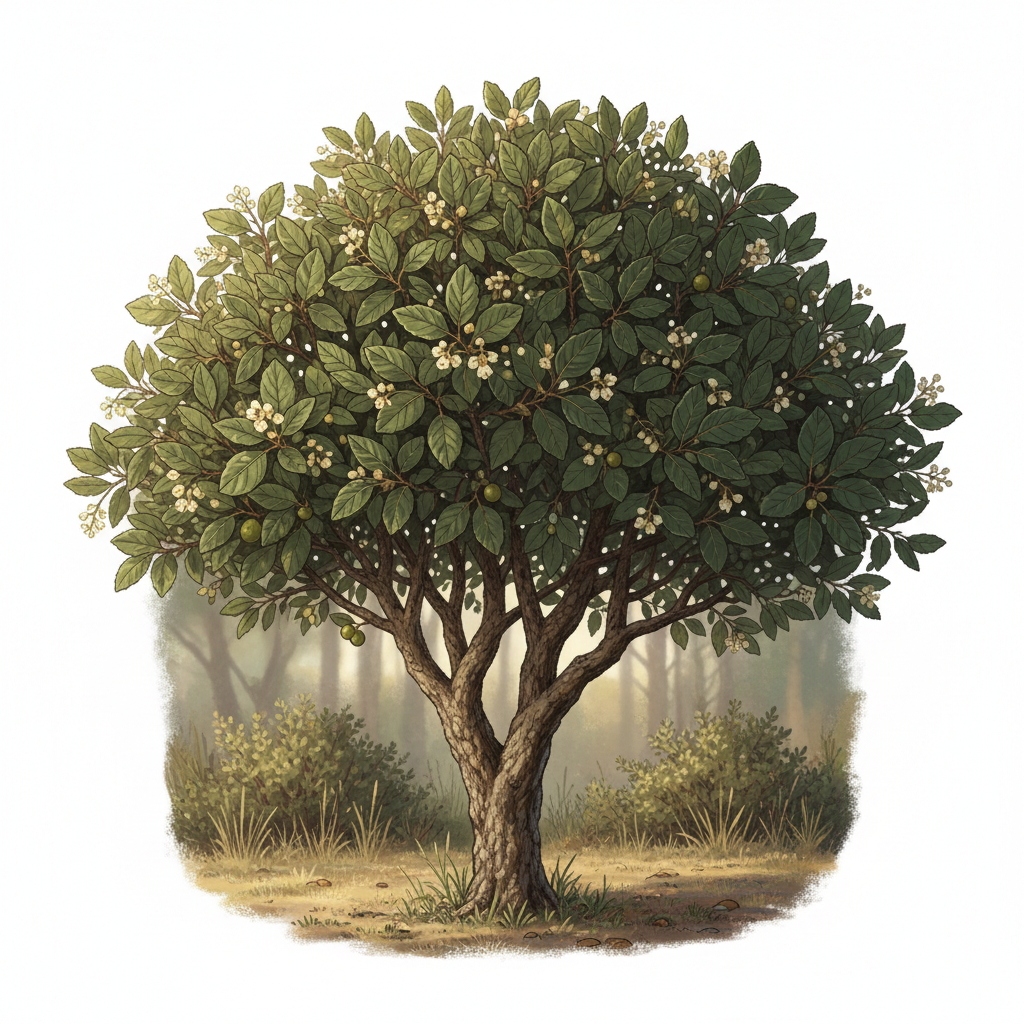
Boldo
Peumus boldus
Family: Monimiaceae
Also known as: Boldus
At a glance
Best for: Digestive support, Liver health, Gallbladder function
Parts used: Leaves
Common forms: Tea, Extract, Capsules
Evidence level: Traditional-only/Early
Cautions: Pregnancy—Avoid; Bile duct obstruction—Avoid; Not for long-term use
What it is
Boldo is an aromatic evergreen tree native to Chile and Peru. The leaves have a distinctive camphor-like scent and have been used in traditional medicine for centuries.
Traditional use
Used in Chilean folk medicine for digestive complaints, liver sluggishness, and gallbladder issues. Often combined with other digestive herbs.
What modern research suggests (Traditional-only/Early)
Limited clinical studies. Animal research suggests boldine has antioxidant and hepatoprotective effects. Traditionally used to stimulate bile secretion.
How people use it
Tea (1 tsp dried leaves per cup, 1-2 cups daily before meals) or extract as directed. Not for continuous long-term use.
Safety + interactions
Avoid during pregnancy (may stimulate uterus). Not for those with bile duct obstruction or severe liver disease. Contains ascaridole—do not exceed recommended doses. May enhance blood thinner effects.
May interact with: Blood thinners
Quality notes
Traditional use is tea from dried leaves. Contains ascaridole, which can be toxic in large amounts—use as directed.
FAQs
Is boldo safe for daily use?
Short-term use (few weeks) is traditional, but not recommended for continuous long-term use due to ascaridole content.
Can it help with bloating?
Traditionally used for digestive discomfort and bloating, though clinical evidence is limited.
Community Insights
Premium members share their experiences and knowledge about this plant.
Disclaimer: This content is educational and not medical advice. Always consult a qualified healthcare provider before using any herbs or supplements, especially if you are pregnant, nursing, taking medications, or have a medical condition.